Opinion: Mastering the Fundamentals // Why Every Rider Should Start on Flats

For years now, this rule has been in place to protect beginners and young riders by requiring them to master the fundamentals on flats before advancing, while also helping to reduce injury risks
Below we give our opinion on why this was a good change for the sport of BMX in the USA.

Starting out with flat pedals in BMX racing is crucial because they allow a new rider to build strong fundamentals before relying on equipment to do the work. With flats, the rider cannot simply pull up on the pedals to compensate for weak technique. Instead, they must learn the correct mechanics of pumping, cornering, sprinting, and jumping. This forces the development of proper foot placement, balance, and pressure control—all skills that will make them a far stronger racer in the long run. By contrast, beginning directly with clipless pedals can mask technical flaws, creating bad habits that are harder to correct later.
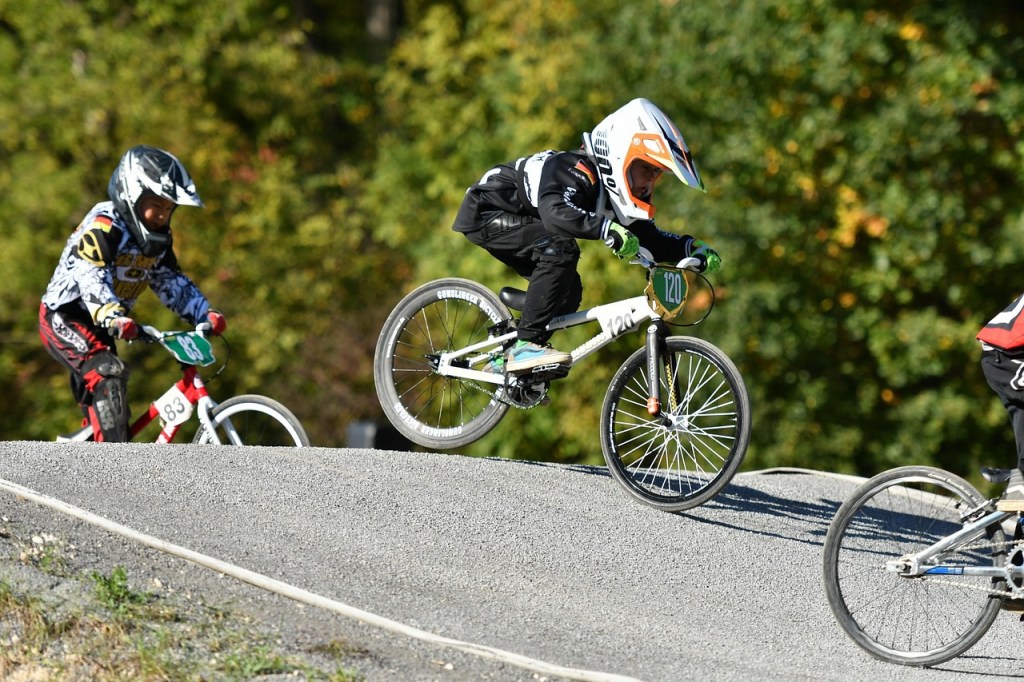
Another reason flats are so important at the start is safety. BMX racing can be intense, with close pack riding, aggressive passing, and frequent crashes. Being clipped in during a fall can lock a rider to the bike, making it harder to separate and avoid injury. Flats give beginners the ability to quickly put a foot down when losing balance in the gate, around a berm, or mid-jump. This added safety margin is not only protective but also boosts confidence—riders know they can “bail out” if something goes wrong. Confidence without fear is essential for learning new skills and progressing in the sport.

Flats also train bike handling skills more effectively than clipless pedals. Since the foot is not locked in, a rider must actively control the bike with body movement, weight shifting, and timing. Bunny hops, manuals, and pump track flow become products of skill rather than just being yanked up with the feet. BMX racing is more than just pedaling hard; it’s about fluidly handling the bike through rhythm sections and tight corners. Flats demand precision and discipline, leading to better control and smoother riding overall.
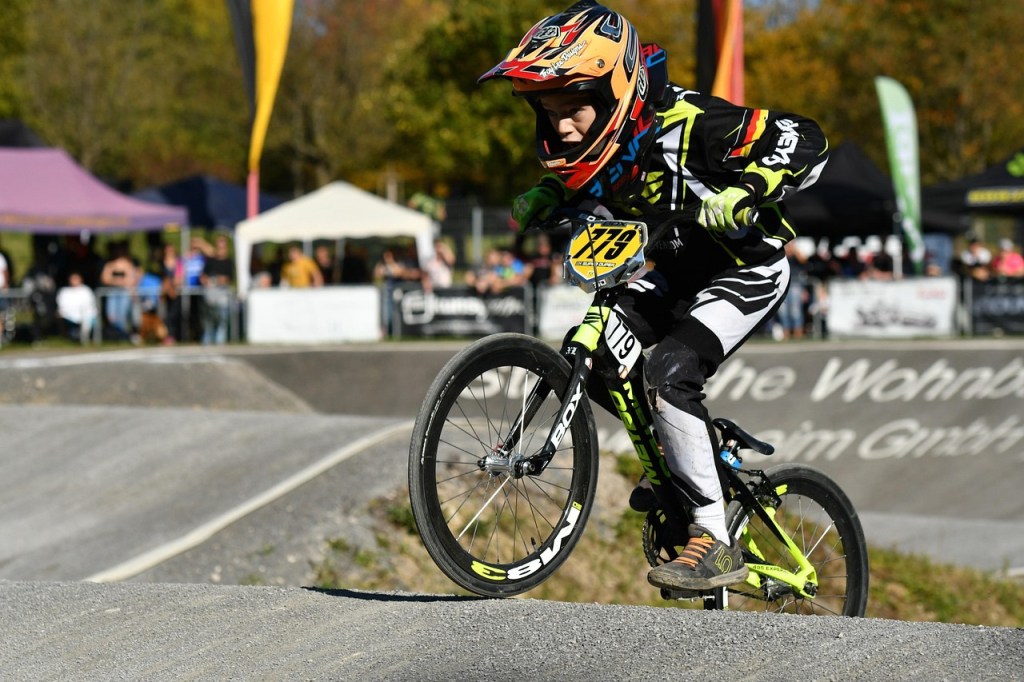
From a developmental standpoint, I would recommend flats for young riders because they encourage a longer learning curve. Kids especially need to develop coordination and reflexes without the added complication of being clipped in. Even older beginners benefit from building a foundation where every movement is earned. Once the fundamentals are strong, switching to clipless pedals later can provide a performance boost—but at that point, the rider already has the muscle memory and bike control to use them effectively.

Finally, riding flats first teaches a racer respect for progression. BMX is a sport where rushing into advanced equipment or techniques can backfire. Learning flats first sets a mindset of mastering basics before chasing speed or shortcuts. When a rider does eventually transition to clipless pedals, they can use them to enhance already solid technique rather than as a crutch. This makes the transition smoother, safer, and ultimately more competitive, since the rider has both the raw skills and the added efficiency of being clipped in. In short, flats lay the groundwork for a rider’s long-term success in BMX racing.

Below are some flat-pedal videos from Supercross BMX and Barry Nobles.
 BMX Oregon
Leave a comment