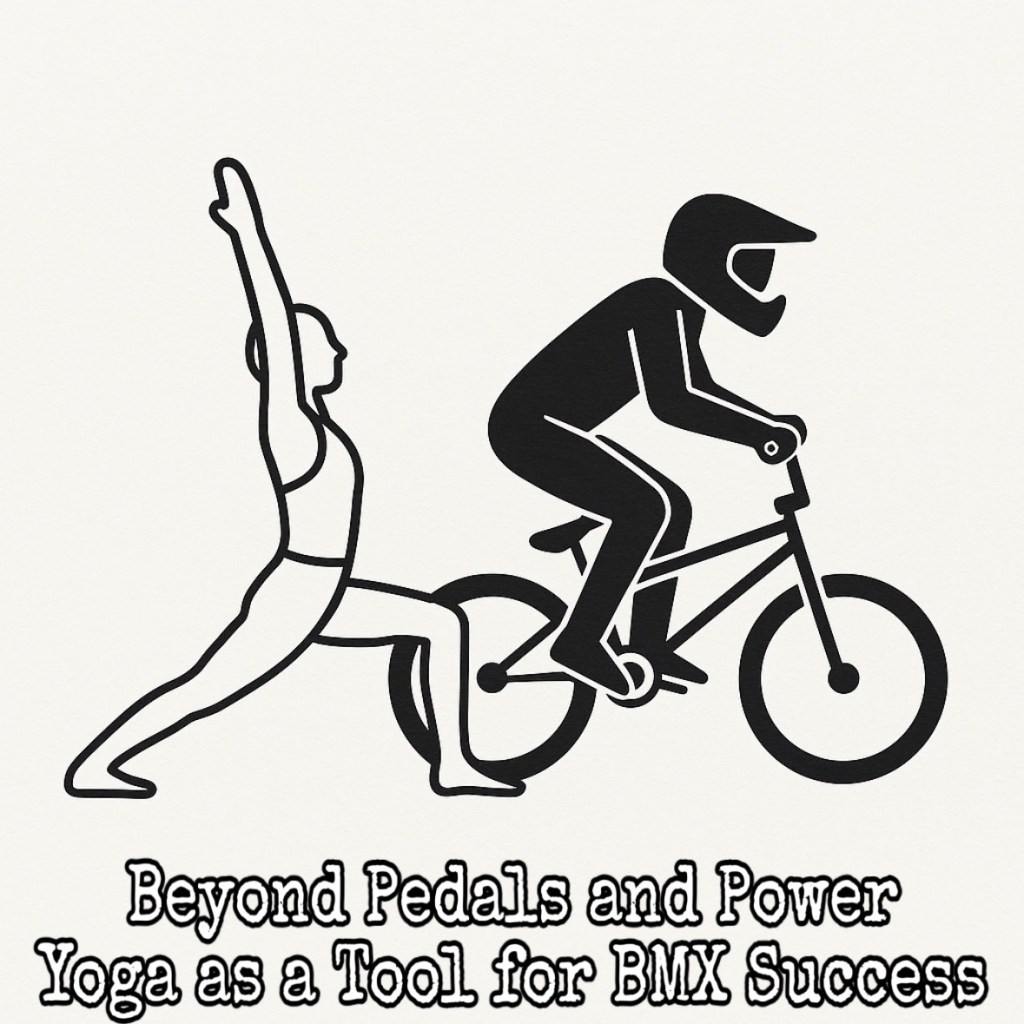
Building Strength Beyond the Track
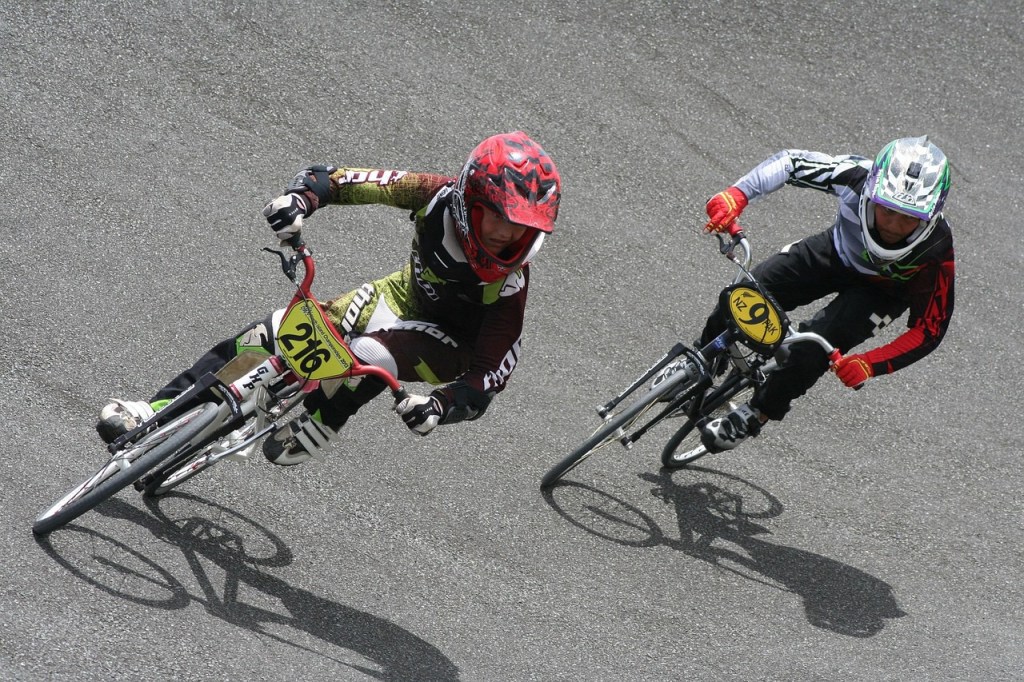
BMX racing requires explosive power, sharp reflexes, and the ability to stay in control under extreme pressure. Riders spend countless hours honing their sprinting ability, bike handling, and starts from the gate. While strength training and riding practice are essential, yoga offers unique advantages that directly support performance. By building stability, balance, and mental clarity, yoga becomes a valuable addition to any BMX racer’s routine.

Flexibility and Range of Motion
BMX racers rely on quick bursts of movement, aggressive bike control, and the ability to absorb heavy impacts on landings. Stiff muscles and tight joints limit these movements and increase the risk of injury. Yoga helps riders open the hips, loosen hamstrings, and lengthen the spine—all areas that tend to tighten after long sessions on the bike. Improved range of motion not only enhances comfort on the bike but also gives racers the fluidity to respond quickly in high-stress situations.
Core Strength and Stability
Explosive pedaling and maneuvering through rhythm sections demand strong core engagement. While BMX training naturally builds leg strength, yoga strengthens the deep core muscles that stabilize the body. Poses like plank, boat, and warrior variations build endurance in the core, improving gate starts and stability during sprints. A stronger core also means better absorption of forces through jumps and rollers, keeping the rider in control when it matters most.

Breath Control and Focus
Races are short—often less than a minute—but they are intense, requiring razor-sharp focus and precise execution. Yoga emphasizes controlled breathing, teaching athletes to regulate stress and maintain composure even under pressure. By practicing breathwork, riders can learn to stay calm in the gate, conserve energy, and sharpen mental focus throughout the race. This ability to remain centered can be the difference between a clean lap and a costly mistake.

Injury Prevention and Recovery
The repetitive stress of training, combined with the crashes and impacts inherent to BMX racing, puts athletes at high risk of injury. Yoga offers a gentle yet effective method of recovery. By promoting circulation, easing tightness, and releasing tension, it accelerates healing and helps prevent overuse injuries. Restorative yoga sessions in particular can balance the high intensity of BMX training, ensuring longevity in a sport where the body is often pushed to its limits.
A Balanced Path to Peak Performance
Incorporating yoga into BMX training is about more than stretching—it’s about creating balance. BMX racing is explosive, competitive, and adrenaline-fueled. Yoga offers the counterpoint: stillness, control, and mindful awareness. Together, they build an athlete who is not only powerful and fast but also adaptable, focused, and resilient. By bringing yoga onto the mat, BMX racers can bring new levels of strength and clarity to the track.
🧘 Yoga Routine for BMX Racers
- Cat-Cow (Marjaryasana/Bitilasana) – 1–2 minutes
• Why: Warms up the spine, increases mobility, and releases tension in the lower back from riding posture.
• How: On hands and knees, alternate arching and rounding the spine with deep breaths. - Low Lunge (Anjaneyasana) – 1 minute per side
• Why: Opens tight hip flexors from aggressive riding stance and sprinting.
• How: Step one foot forward, drop the back knee, and press the hips forward while lifting the chest. - Chair Pose (Utkatasana) – 30–45 seconds, repeat 2x
• Why: Builds leg and core strength, mimicking the gate start position.
• How: Sit back as if into an invisible chair, arms overhead, engaging thighs and core. - Warrior III (Virabhadrasana III) – 30 seconds per side
• Why: Improves balance, stability, and hip control—crucial for rhythm sections and landings.
• How: Balance on one leg, hinge forward, and extend the other leg behind you while reaching arms forward. - Boat Pose (Navasana) – 30–45 seconds, repeat 2x
• Why: Strengthens deep core muscles for explosive sprints and jump control.
• How: Sit on the floor, lift legs to a “V” shape, and hold with chest lifted, balancing on sit bones. - Seated Forward Fold (Paschimottanasana) – 1–2 minutes
• Why: Stretches hamstrings and calms the nervous system post-training.
• How: Sit with legs extended, fold forward gently, breathing into the stretch. - Alternate Nostril Breathing (Nadi Shodhana) – 2–3 minutes
• Why: Trains calmness and focus for the gate, balances energy, and reduces pre-race anxiety.
• How: Use thumb and ring finger to alternate closing nostrils while inhaling and exhaling deeply.
Videos: Cat Cow – Low Lunge – Chair Pose – Warrior III – Boat Pose – Seated Forward Fold – Alternate Nostril Breathing
⸻
✅ Tip: Do this sequence 2–3 times per week. Before races, focus more on breathwork and short hip openers. After training, extend the stretches to support recovery.
Disclaimer: This advice is for educational and general informational purposes only and should not be used as a substitute for the medical advice of your doctor or any other healthcare / fitness professional.
Categories: Fitness / Health, Opinion
 BMX Oregon
Leave a comment