USA BMX, USA Cycling & Pumptrack Racing
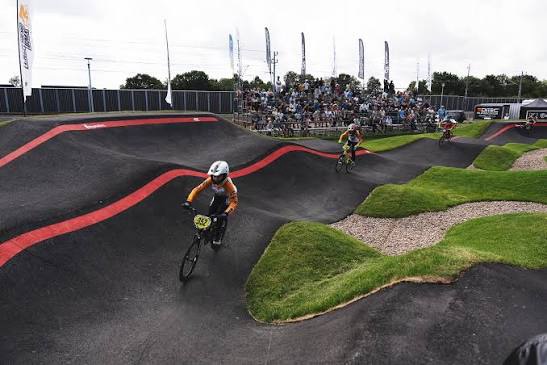
After hearing some of the uproar in response to the opinions shared by the hosts of the BMX podcast Coffee Chatter, I started thinking about what would be a good way to grow the sport.
This isn’t an in-depth opinion piece on exactly how all of this would come together. It’s more about starting a conversation on how to help a young discipline that’s now part of the UCI World Championships begin to grow, starting with the question of how the sport should be governed in the USA.
With pump track racing now a World Championship discipline, should it fall under USA Cycling or USA BMX? Both organizations have pipelines to the UCI World Championships. Even USA BMX’s path ultimately involves working with USA Cycling. My question is more about how we could build a grassroots series that gives the sport greater recognition, rather than relying on just a few very spread out qualifiers.
Pump track racing has grown rapidly in recent years, and its unique format—accessible to BMX, mountain bike, and even freestyle riders—has prompted discussions about which governing body should formally adopt it at a local level. The two main candidates in the United States are USA BMX and USA Cycling, each with clear advantages and drawbacks.
On the one hand, USA BMX has the strongest foundation in grassroots racing. With a massive national track network and thousands of weekly events, the organization is deeply embedded in local communities. If pumptrack were folded into USA BMX, it could quickly be connected to this existing pipeline of riders, volunteers, and youth programs. The infrastructure is already there for sign-ups, licenses, and event promotion.

However, USA BMX’s focus has historically been on traditional BMX racing. Its national series, ranking system, and Olympic pipeline are built around a specific 20-inch discipline. Pumptrack, with its open wheel size and crossover appeal, doesn’t fit neatly into this mold. A USA BMX takeover could risk pumptrack being treated as a side event or “novelty class” rather than a fully supported discipline, as happened in the past with mountain bike classes under the BMX umbrella.
USA Cycling, by contrast, has a broader portfolio. It governs road, cyclocross, track, mountain biking, and BMX racing at the Olympic level. Pumptrack would arguably fit more naturally here, as it crosses over into MTB and freestyle worlds as much as BMX. Aligning with USA Cycling would also strengthen the sport’s international legitimacy, since pumptrack is already recognized by the UCI and integrated into world championship structures.

That said, USA Cycling has historically struggled to maintain grassroots energy. Many local riders view it as more top-down and less community-driven than USA BMX. If pumptrack were housed under USA Cycling, there’s a risk it would flourish only at the elite and championship level while losing traction at the everyday, local rider level that pumptrack thrives on.
Another consideration is licensing. USA BMX offers one membership that covers riders for year-round racing, while USA Cycling requires separate licenses, often at higher costs, depending on the discipline. A USA Cycling model might create more barriers to entry, which could contradict pumptrack’s inclusive, beginner-friendly appeal. By contrast, USA BMX could fold pumptrack into its existing membership structure with minimal friction.

From a promotional standpoint, USA BMX’s established marketing machine could elevate pumptrack quickly in the youth and family space. But USA Cycling’s connection to Olympic and UCI systems offers a clearer long-term pathway for elite athletes to represent the U.S. internationally. Each has a strength: BMX is better at grassroots promotion, while USA Cycling is better at elite recognition.
Ultimately, the choice comes down to whether pumptrack should be treated as an inclusive grassroots discipline (where USA BMX would excel) or an elite international discipline (where USA Cycling might fit better). A hybrid model may even be necessary: USA BMX fostering local and regional events, while USA Cycling manages the high-performance and world championship side. Basically like the current BMX World Championships model. That balance might be the best way forward for pumptrack’s long-term growth.
Categories: Opinion
 BMX Oregon
Leave a comment