How to Stop Burnout in BMX Racing

BMX racing is a sport of speed, skill, and passion, but even the most dedicated riders can find themselves drained of motivation. Burnout happens when the joy of riding is overshadowed by pressure, fatigue, and overcommitment. It doesn’t mean a rider lacks toughness or drive—it means the balance between effort and recovery has tipped too far. Preventing burnout is about recognizing the warning signs early and creating habits that keep the spark alive.
One of the first steps in avoiding burnout is to redefine success. Too often, riders focus solely on podium finishes or lap times, measuring worth only through results. While competition is important, BMX is also about growth, creativity, and community. Shifting the focus to personal progress—such as mastering a new skill, finding flow through a rhythm section, or simply enjoying time on the track—helps preserve long-term motivation. Success becomes about the journey, not just the trophy.

Rest and recovery are just as vital as training. BMX racing places enormous physical and mental demands on the body. Without proper downtime, the risk of injury and mental fatigue skyrockets. Scheduling rest days, prioritizing sleep, and incorporating practices like stretching, yoga, or even light rides for fun can help maintain energy. It’s not laziness to rest—it’s strategy. Recovery builds resilience and ensures that when it’s time to race, the rider is ready to give their best.
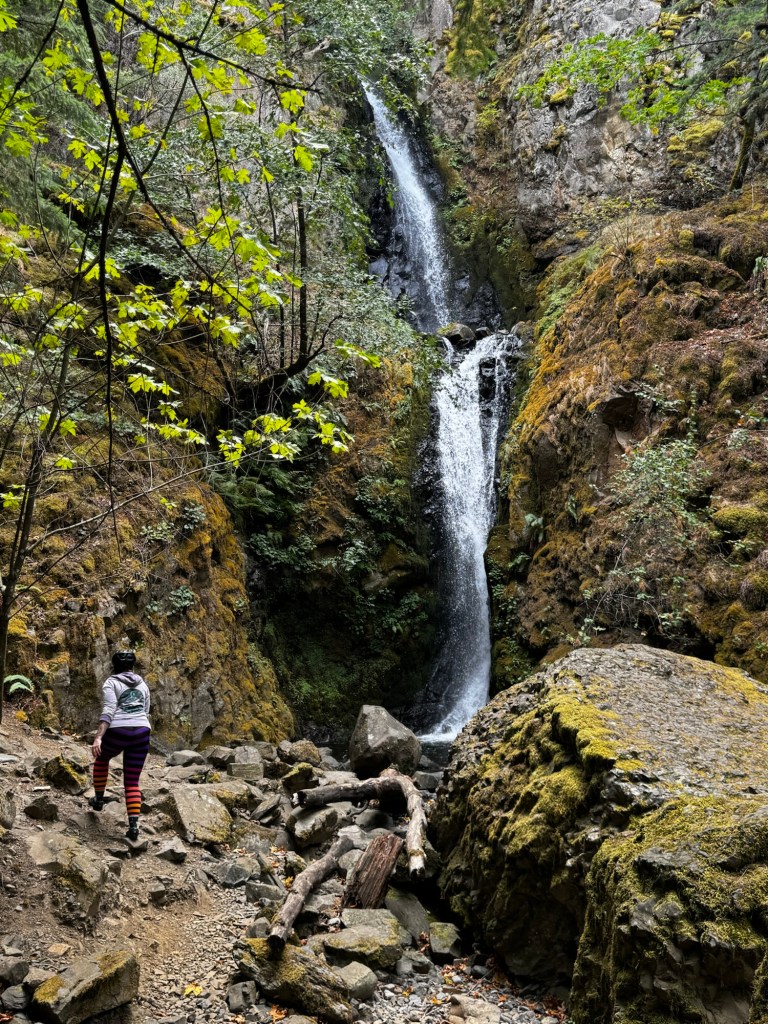
Cross-training can also play a huge role in preventing burnout. Spending time on a mountain bike, road bike, or even doing non-cycling activities like swimming, running, martial arts or strength training provides variety. This not only keeps things fresh but also strengthens different muscle groups, improves overall fitness, and reduces the monotony of doing the same type of riding day after day. Variety creates longevity in the sport.
Equally important is mental recovery. The intensity of competition, expectations from parents or coaches, and the pressure of always trying to improve can weigh heavily on riders—especially younger ones. Taking breaks from the racing season, journaling, meditating, or simply riding for fun without a stopwatch can help reset the mind. Mental health in BMX is just as crucial as physical conditioning, and acknowledging that can keep riders grounded and balanced.

Strong support networks are another safeguard against burnout. Coaches, parents, teammates, and friends who emphasize encouragement over pressure can make all the difference. A culture that celebrates effort, sportsmanship, and enjoyment alongside results creates healthier riders. When athletes feel supported, they are more likely to stick with the sport long term and less likely to see setbacks as failures.
Rekindling the sense of play is perhaps the most powerful way to combat burnout. Many riders start BMX because it’s fun, because it feels like flying on two wheels, not because of medals. Keeping that playful spirit alive—through pump track sessions, trail riding, or messing around with friends—reminds riders why they started in the first place. Play fuels passion, and passion is the best antidote to burnout.

Ultimately, stopping burnout in BMX racing comes down to balance. Balancing effort with recovery, seriousness with play, and competition with community ensures the sport stays rewarding. When riders take care of their bodies, nurture their minds, and lean into the joy of riding, BMX transforms from a grind into a lifelong passion. Protecting that balance doesn’t just stop burnout—it helps riders thrive, on and off the track.


Categories: Opinion
 BMX Oregon
Leave a comment