Hydration and BMX Racing
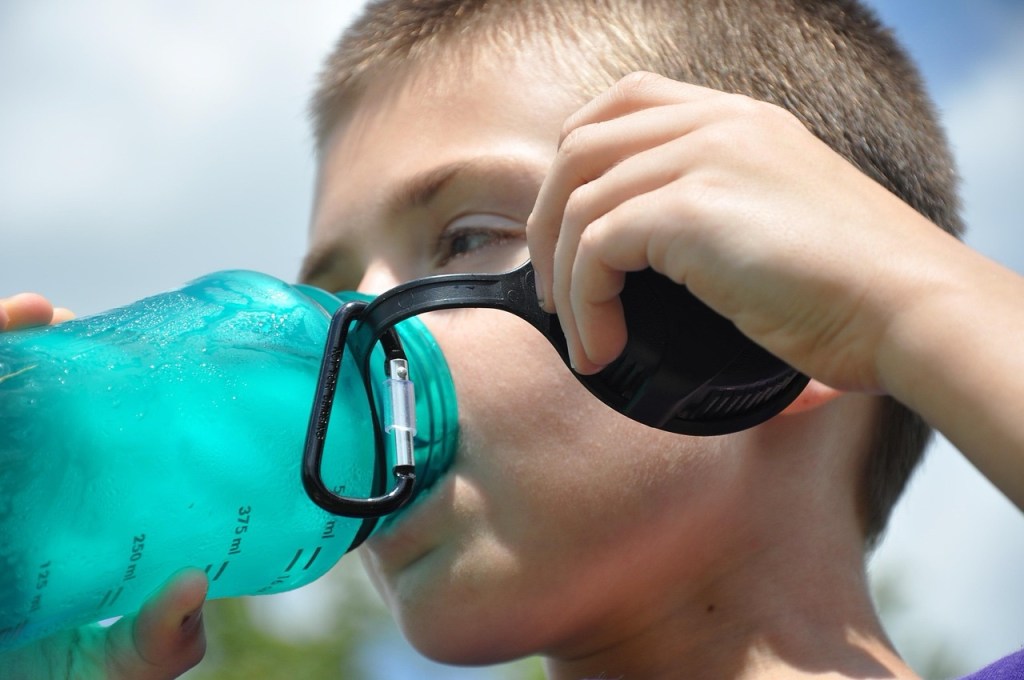
Hydration is one of the most overlooked yet vital aspects of performance in BMX racing. Riders often focus on equipment, training, and nutrition, but without proper fluid balance, the body cannot function at its best. BMX racing requires explosive power, quick decision-making, and sustained focus, all of which are compromised when a rider is even slightly dehydrated. For a sport where fractions of a second decide outcomes, hydration can be the difference between victory and defeat.
One of the primary reasons hydration is essential in BMX racing is its role in energy production. Water is necessary for transporting nutrients through the bloodstream and into the working muscles. When hydration levels drop, blood becomes thicker, slowing circulation and making it harder for the body to deliver oxygen and glucose where they are needed. This can cause a noticeable decline in strength and speed, leaving a rider with heavy legs just when they need explosive bursts out of the gate or over rhythm sections.
Hydration also directly impacts mental performance, which is crucial in BMX racing. A dehydrated rider is more likely to experience brain fog, slower reaction times, and difficulty focusing. This mental fatigue can cause errors in line choice, delayed responses to other riders, or hesitations mid-air. Since BMX racing is often won by sharp instincts and split-second decisions, staying hydrated ensures that both body and mind are functioning with clarity.
Another critical aspect of hydration is temperature regulation. BMX races are frequently held outdoors under the sun, where heat and humidity can intensify dehydration. The body relies on sweat to cool itself, but this fluid loss must be replaced or riders risk overheating. Heat stress not only reduces performance but also poses serious health risks such as heat exhaustion or heat stroke. Proper pre-race hydration and sipping fluids between motos help riders maintain safe body temperatures and consistent performance throughout the day.

Electrolytes play a key role in hydration as well. Sodium, potassium, calcium, and magnesium regulate muscle contractions and nerve impulses. When riders sweat, they lose these electrolytes along with water. Without replenishment, the risk of muscle cramps, fatigue, and even irregular heartbeat increases. For BMX athletes, where smooth and powerful muscle coordination is critical, electrolyte replacement through drinks or light snacks helps prevent debilitating mid-race issues.
Recovery after racing is also tied to hydration. BMX riders often have multiple motos and heats within a single event, which places repeated stress on the body. Rehydrating after each race ensures faster recovery between rounds and reduces the lingering effects of fatigue. Beyond the track, consistent hydration supports long-term muscle repair, joint health, and overall resilience, helping athletes stay strong across an entire season.

Hydration strategies must be intentional rather than reactive. Waiting until thirst sets in is too late, as it indicates the body is already dehydrated. BMX racers should begin hydrating well before race day, drinking water steadily in the hours leading up to competition. During the event, riders should sip small amounts regularly instead of consuming large amounts at once, which can cause discomfort or bloating. Electrolyte drinks can be used strategically in hot conditions or when sweating heavily.
Ultimately, hydration is not just about preventing negative outcomes—it’s about maximizing potential. A well-hydrated rider is faster, sharper, and more resilient, able to handle the intensity of back-to-back races with confidence. Just as a bike must be properly tuned to perform at its peak, the body must be fueled and hydrated to withstand the demands of BMX racing. Prioritizing hydration is a simple yet powerful way for riders to give themselves every possible advantage when they line up at the gate.
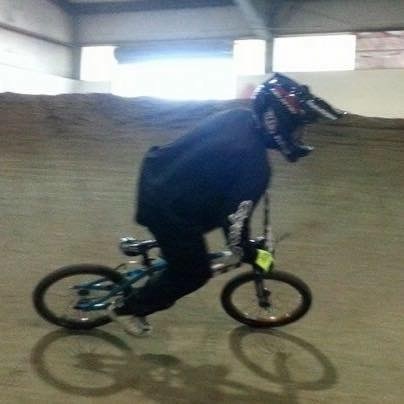
Hydration Suggestions for Competition
🚦 Pre-Race Hydration (24 hours to 2 hours before racing)
Goal: Start fully hydrated so the body is ready for explosive effort. Strategy: Begin drinking water steadily the day before the race—don’t try to “chug” it all at once. In the morning, aim for 16–24 ounces of water with breakfast. Two hours before racing, drink another 12–16 ounces of water or an electrolyte beverage. Tip: Monitor urine color—pale yellow means good hydration, dark yellow means you need more fluids.
💧 Between Motos
Goal: Replace fluids lost from sweat and keep focus sharp. Strategy: Sip 4–8 ounces of water every 15–20 minutes, rather than drinking large amounts at once. If racing in hot weather, use an electrolyte drink with sodium and potassium to replace what’s lost in sweat. Pair with light, easy snacks if needed (banana, orange slices, or pretzels for extra sodium). Tip: Avoid energy drinks or soda—caffeine and sugar can dehydrate and cause an energy crash.
🏁 Post-Race Recovery (within 30–60 minutes)
Goal: Rehydrate, restore electrolyte balance, and promote recovery. Strategy: Drink 16–24 ounces of water or an electrolyte drink soon after finishing. Pair fluids with a recovery snack that includes carbs and protein (chocolate milk, smoothie with fruit + protein, or turkey wrap). Continue sipping water throughout the evening to replace any additional fluid loss. Tip: Weigh yourself before and after racing—if you’ve lost weight from sweat, drink 16 ounces of fluid per pound lost.
🛠️ Extra Hydration Tips for BMX Racers
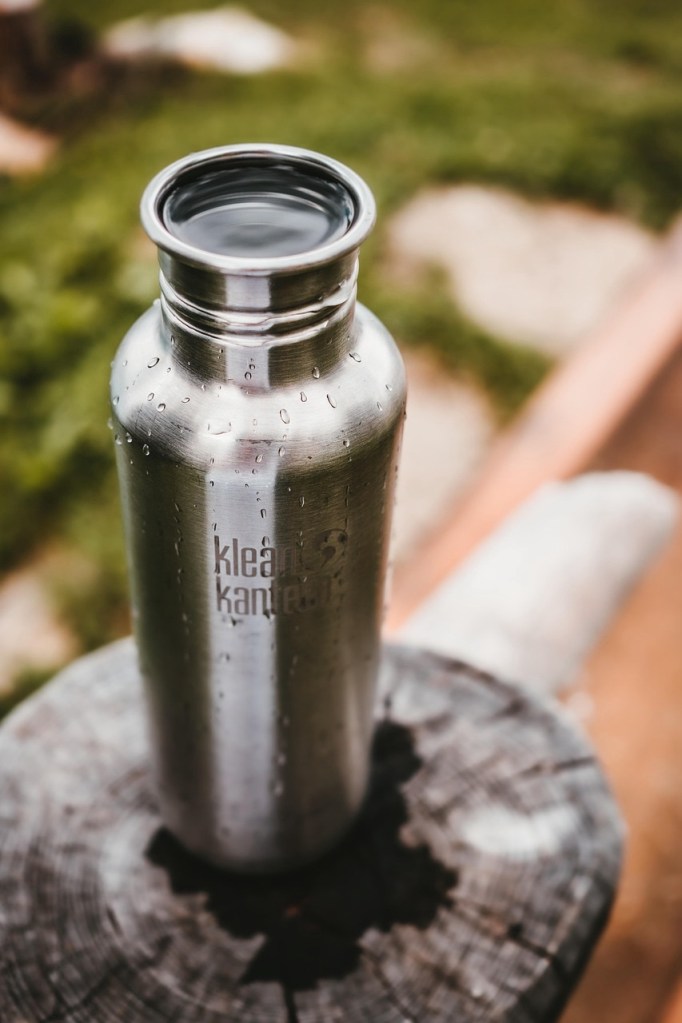
Start Early: Don’t wait until you’re thirsty—hydration is most effective when it’s consistent. Practice What You Race With: Try your hydration plan during training, not just on race day, to see what works best. Portable Options: Carry a water bottle in the pits so sipping between motos is easy and automatic. Electrolytes Smartly: Save sports drinks for longer days, hot weather, or multiple motos—water is usually enough for cooler conditions.
Key Studies & Findings
1. Mild Dehydration & Cycling Performance
Mild dehydration reduced cycling performance in a 5-km outdoor hill course due to heat strain and higher perceived effort.
👉 https://pmc.ncbi.nlm.nih.gov/articles/PMC3867084/?utm_source=chatgpt.com
2. Hydration & Physical Performance in Mountain Biking in Heat
Study of MTB cyclists showed riders started dehydrated, lost more fluids during competition, and dehydration correlated with reduced leg and grip strength.
👉 https://www.nature.com/articles/s41598-025-05005-0?utm_source=chatgpt.com
3. Cognitive Impairment from Dehydration
• Adan (2012) review: ~2% dehydration impairs attention, psychomotor speed, and immediate memory.
👉 https://pubmed.ncbi.nlm.nih.gov/22855911/?utm_source=chatgpt.com
• Masento et al. (2014): dehydration negatively affects short-term memory, perception, and mood.
👉 https://www.cambridge.org/core/journals/british-journal-of-nutrition/article/effects-of-hydration-status-on-cognitive-performance-and-mood/1210B6BE585E03C71A299C52B51B22F7?utm_source=chatgpt.com
4. Hydration & Rehydration on High-Intensity Cycling
Rehydration improved short time-trial cycling performance compared to no fluids; electrolytes mattered more in heat.
👉 https://www.frontiersin.org/journals/sports-and-active-living/articles/10.3389/fspor.2021.742710/full?utm_source=chatgpt.com
5. Perceived Dehydration Impacts Performance
Believing you are dehydrated—even if you’re not—reduced cycling output by ~6%.
👉 https://mtntactical.com/research/research-review-perceived-hydration-status-influences-endurance-cycling-performance-psychological-expectation-not-physiological-dehydration-drives-a-6-decline-in-output/?utm_source=chatgpt.com
6. Hydration & Long-Term Cognitive Function
Poor hydration in older adults linked with greater 2-year decline in global cognition.
👉 https://bmcmedicine.biomedcentral.com/articles/10.1186/s12916-023-02771-4?utm_source=chatgpt.com
7. Sodium (Electrolyte) Hyperhydration
Mild sodium hyperhydration improved cycling performance in the heat by ~5%.
👉 https://journals.humankinetics.com/view/journals/ijsnem/35/2/article-p99.xml?utm_source=chatgpt.com
Disclaimer: This advice is for educational and general informational purposes only and should not be used as a substitute for the medical advice of your doctor or any other healthcare / fitness professional.
Categories: Fitness / Health, Racing
 BMX Oregon
Leave a comment