More Than a Race // How Interbeing Shapes BMX
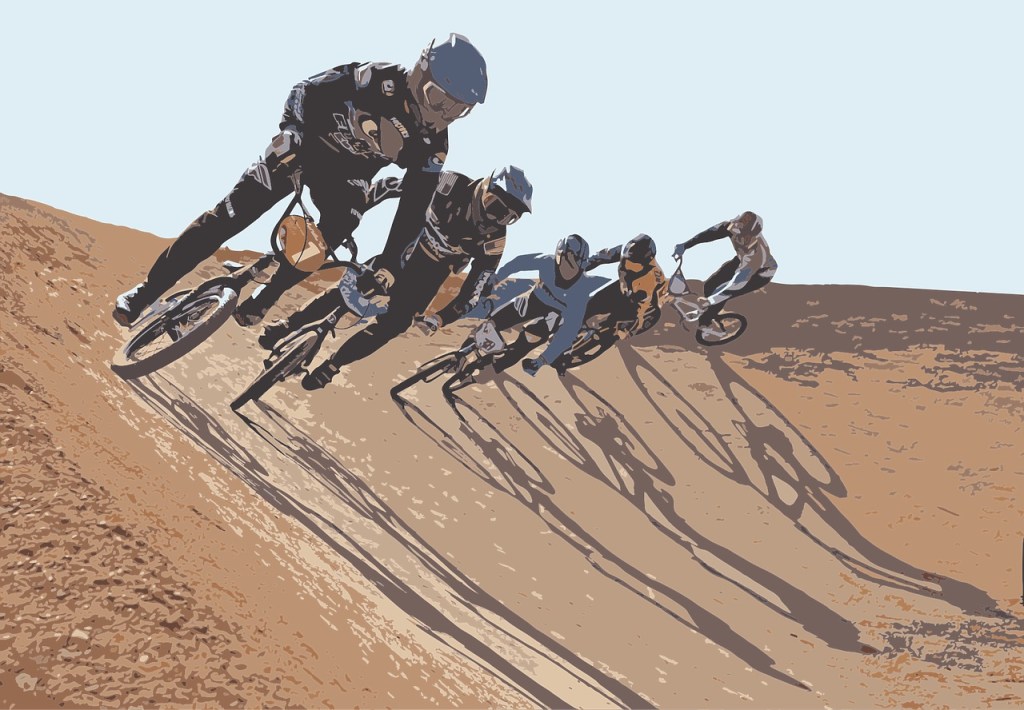
BMX racing is often perceived as an individual pursuit—one rider, one gate, one lane, one finish line. Yet beneath that surface lies a deep web of interbeing, a term that describes how nothing exists independently and everything arises through relationship. In BMX racing, no moment stands alone. Each race is the result of countless conditions coming together: the rider’s body and mind, the bike beneath them, the track shaped by hands and weather, and the unseen influence of those who came before. To understand BMX racing fully is to see it not as isolated competition, but as a living system of connection.
At the center of this interbeing is the rider, whose presence on the track is shaped by others long before the gate drops. Coaches, parents, builders, mechanics, and fellow racers all leave imprints. A rider’s skills are learned through watching, following wheels, being passed, and passing others. Even rivals contribute directly to growth; without pressure, without someone faster in the next lane, development stagnates. In this way, competition itself becomes cooperation, each rider sharpening the others through shared effort.
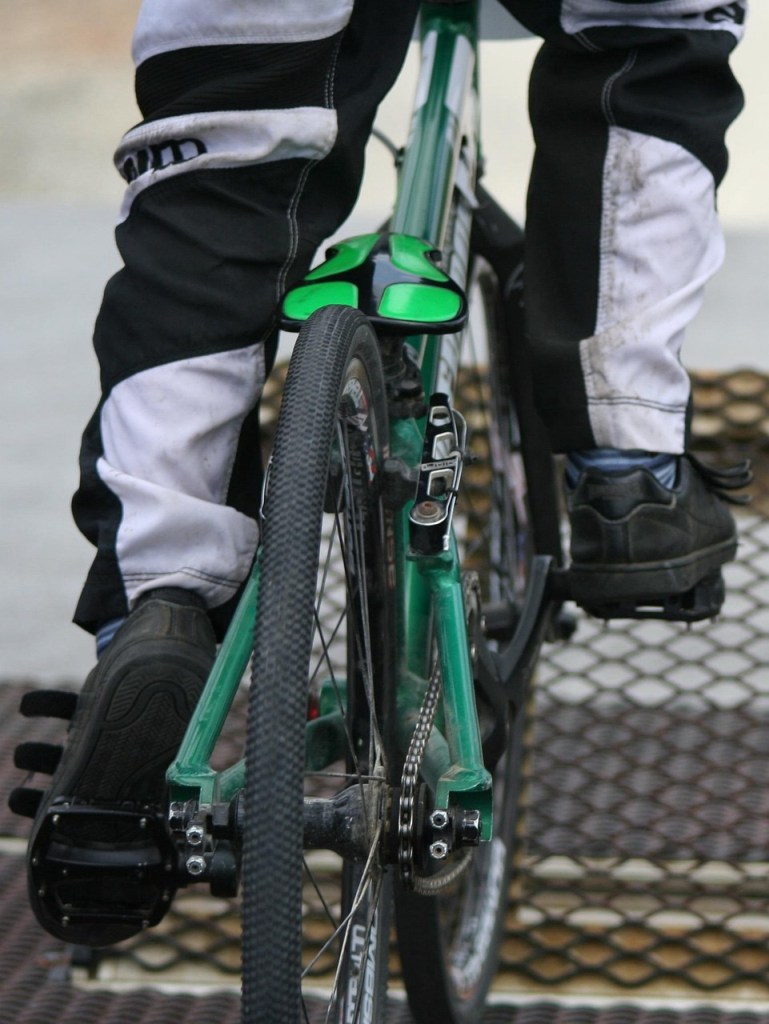
The bike is another expression of interbeing. It is not merely an object, but the convergence of engineering, labor, materials, and history. Aluminum, carbon, rubber, and steel come from the earth, transformed through human knowledge and industry. Every adjustment—gear ratio, tire pressure, bar height—is a conversation between rider and machine. The bike responds to the rider’s intent, while the rider adapts to the bike’s feedback. Neither performs without the other; speed emerges only through their relationship.
The track, too, embodies interbeing. Built by crews, shaped by shovels and machines, refined by thousands of laps, it is alive with memory. Ruts form where riders repeatedly choose the same lines. Jumps change character with rain, heat, and time. A rider does not conquer the track; they negotiate with it. Success comes not from domination, but from listening—reading dirt texture, timing transitions, respecting how the track wants to be ridden that day.
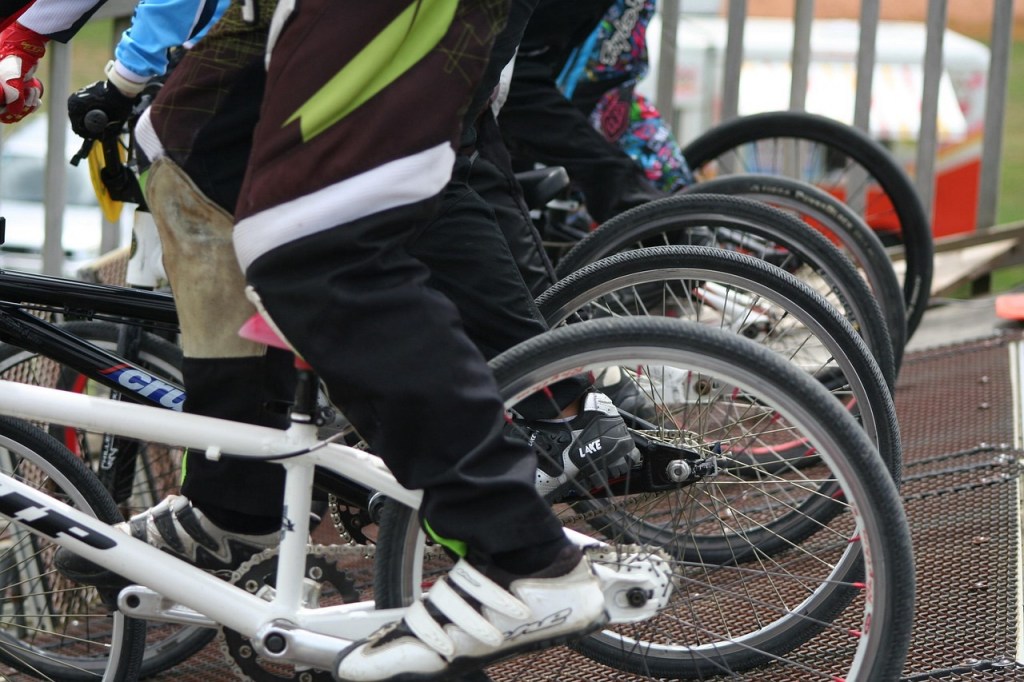
Interbeing is especially present at the start gate, where eight riders share one sound, one drop, and one instant. A strong start depends not only on personal reaction, but on collective stillness and shared timing. Focus, anticipation, and restraint ripple through the group. In that moment, no rider is separate; everyone is bound to the same mechanical release and the same fraction of a second that sets the race in motion.
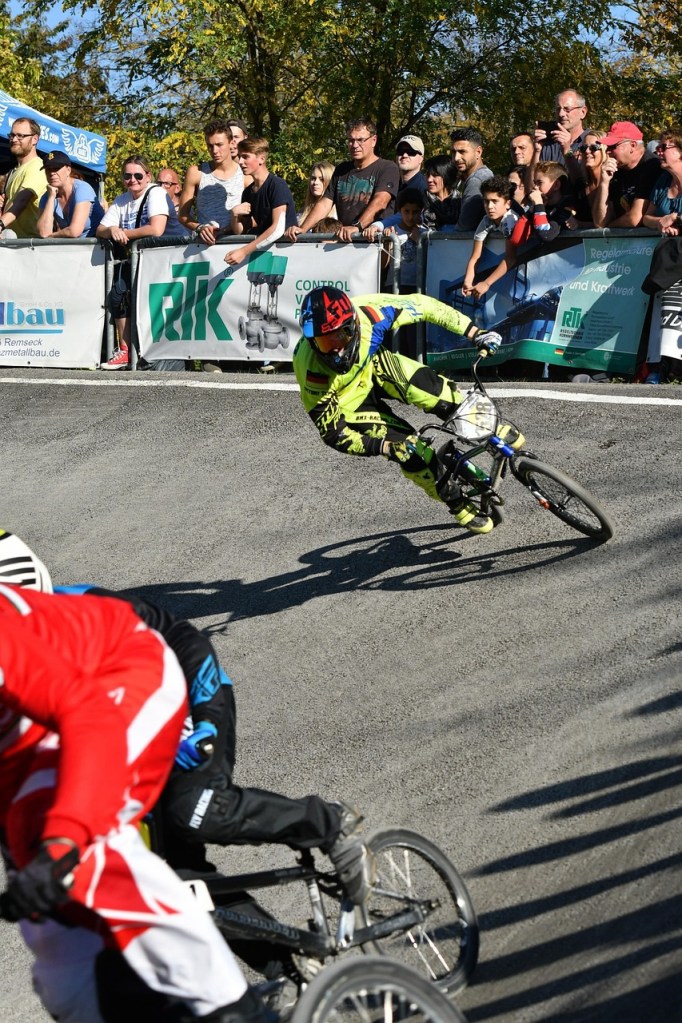
The crowd and community further extend this web. Cheers, silence, expectations, and support shape a rider’s internal state. A race feels different when teammates are watching, when family is at the fence, or when racing in a foreign place among strangers. BMX racing exists because people show up—not just to ride, but to organize, officiate, announce, photograph, and maintain. Without this collective participation, the race would not exist at all.
Failure and injury also reveal interbeing. A crash is never purely individual; it may result from track conditions, pack dynamics, fatigue, or split-second interactions. Recovery depends on others—medical staff, friends, competitors who stop to help, communities that hold space for healing. Even setbacks become shared experiences, teaching lessons that circulate through the racing culture and influence how others ride, train, and prepare.
Ultimately, BMX racing teaches that speed and success are not solitary achievements. Every lap is a manifestation of countless causes and conditions working together in real time. When a rider understands this, humility naturally arises—gratitude for the bike, the track, the competition, and the community. In recognizing interbeing, BMX racing transforms from a simple contest of who is fastest into a living practice of connection, presence, and shared becoming.
Categories: Opinion
 BMX Oregon
Leave a comment