Built on Borrowed Ground // Why Current BMX Pros Should Induct Their Heroes Into the BMX Hall of Fame
I was listening to the BMX Weekly podcast with Dale Holmes and Jason Richardson. During part of their discussion, Jason brought up the idea of having current pros introduce the inductees. The gist of the conversation was how this could help bridge generational gaps and show respect from today’s pros for what the generations before them helped build. This discussion inspired me to write the opinion below.
The history of BMX is built on rebellion, creativity, and community, yet much of its legacy risks fading as generations pass. Unlike mainstream sports, BMX has always thrived on oral history, zines, video parts, and shared storytelling. As the sport continues to grow professionally—through elite racing circuits, global freestyle contests, and Olympic visibility—it becomes increasingly important to formally honor the pioneers who built the foundation. Introducing BMX Hall of Fame inductees through current BMX pros in both racing and freestyle would help preserve this history while reinforcing the culture that makes BMX unique.
In music culture, it is common for contemporary artists to induct the legends who influenced them. This practice does more than celebrate the past; it explains influence in real terms. When a modern musician describes how a pioneer shaped their sound, attitude, or career, audiences gain a living understanding of artistic lineage. BMX would benefit from this same approach. Hearing today’s top racers or freestyle riders explain how earlier figures shaped their riding, mindset, or creativity gives meaning to legacy beyond statistics and titles.
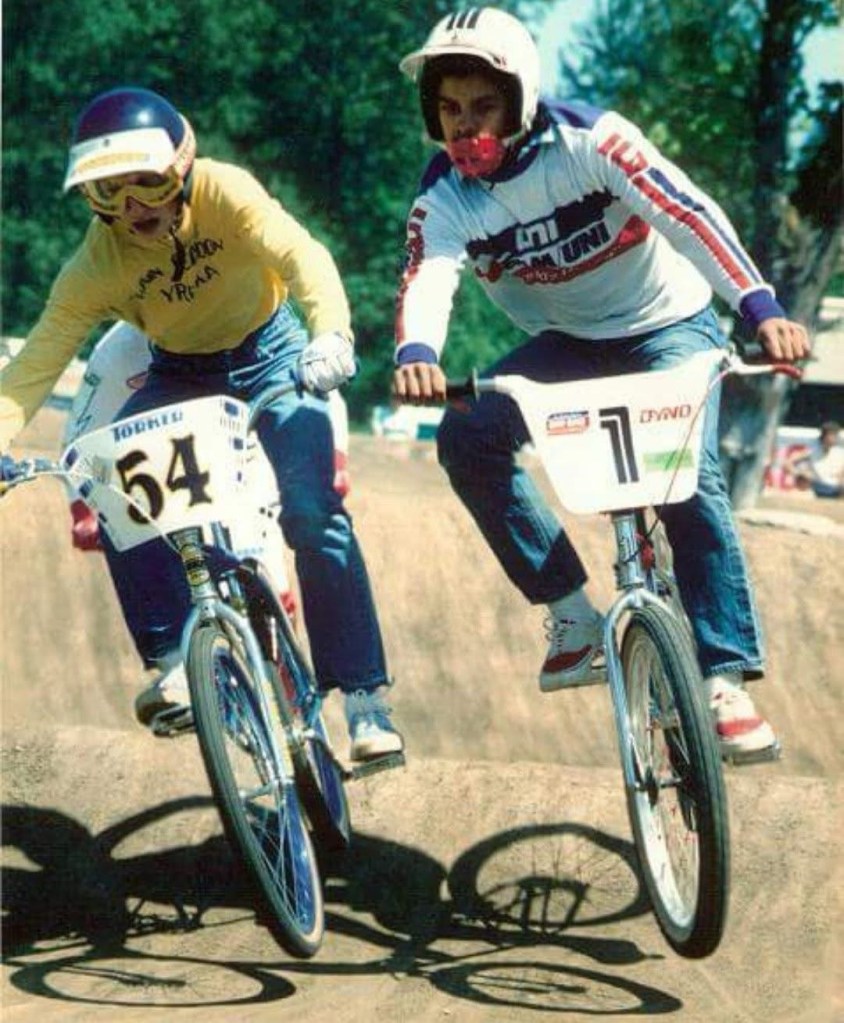
BMX racing and freestyle are disciplines built on progression passed from generation to generation. Every gate technique, trick variation, style choice, and bike innovation exists because someone before took risks and challenged limits. When current pros induct Hall of Fame members, they publicly acknowledge that their success is not isolated, but inherited. This recognition reinforces humility, respect, and continuity within the BMX community.
For younger riders and newer fans, this model becomes an educational tool. Many enter BMX through social media clips or televised events without understanding the history that shaped what they see today. When modern pros tell these stories during Hall of Fame inductions, history becomes accessible and relatable. Much like music fans discovering influential artists through the voices of current performers, BMX fans gain context that deepens appreciation for the sport.
There is also cultural importance in having riders—not administrators or sponsors—lead these moments. BMX has always been driven from the ground up. Allowing current pros to speak honors that tradition and keeps the Hall of Fame rooted in authenticity. In music culture, the most powerful inductions come from genuine admiration rather than formal ceremony, and BMX deserves that same emotional honesty.

In BMX racing, current champions introducing past legends highlights the evolution of competition. It shows how track design, training, and professionalism have advanced while honoring those who raced with fewer resources and greater personal risk. This framing gives historical depth to modern success and validates the sacrifices that built the sport.
In freestyle BMX, the impact may be even stronger. Freestyle pioneers often operated outside mainstream acceptance, shaping a culture based on creativity and resistance to conformity. When today’s freestyle pros induct those innovators, they reinforce that style, originality, and courage are as important as medals or contest wins. This mirrors how music culture values artistic influence alongside commercial success.
This approach would also encourage unity across BMX’s many disciplines. Racing, street, park, dirt, flatland, and vert often exist in separate spaces. When a current pro honors a Hall of Fame inductee from another discipline, it reinforces that BMX is one culture with many voices—much like music genres that share common roots while expressing themselves differently.

Involving current pros in Hall of Fame inductions also increases relevance and visibility. Fans are more likely to engage with history when it is presented by riders they admire today. This generational dialogue keeps the Hall of Fame alive, ensuring it functions as a cultural bridge rather than a static institution.
Ultimately, having current BMX pros introduce Hall of Fame inductees strengthens the sport by honoring its past through its present voices. It preserves history, reinforces respect, and ensures BMX never loses sight of its roots as it continues to evolve. Just as music culture thrives by allowing modern artists to celebrate their influences, BMX can secure its future by letting today’s riders speak gratitude into its history.

Categories: Opinion
 BMX Oregon
Leave a comment