USA BMX as a Monopoly and Its Impact on the Sport
For decades, BMX racing has thrived on grassroots energy—local tracks, volunteer communities, and the shared excitement of kids and adults launching off the gate together. But beneath that vibrant surface lies a troubling reality: USA BMX operates as a near-complete monopoly over sanctioned BMX racing in the United States. By controlling the sanctioning, points systems, and national calendar, USA BMX dictates the structure and economics of the sport from the smallest local track to the grandest national event. While the organization has undoubtedly helped unify BMX racing after the merger of the ABA and NBL in 2011, its overwhelming dominance now restricts competition, innovation, and accessibility across the sport.
When the American Bicycle Association (ABA) absorbed the National Bicycle League (NBL), the intent was to streamline BMX racing and end decades of fragmented governance. Initially, this merger brought stability and standardized rules nationwide. However, what began as consolidation for efficiency gradually became consolidation for control. USA BMX emerged as the single sanctioning authority, leaving no meaningful alternative for tracks or racers seeking a different structure. This lack of competition allows USA BMX to set fees, rules, and schedules unopposed—conditions that resemble corporate monopoly behavior more than healthy sport governance.
The most visible symptom of this monopoly is the financial strain on riders and families. Membership fees, race entry costs, and transponder requirements continue to rise, yet local tracks often see little return in terms of reinvestment or infrastructure support. Riders must purchase yearly memberships just to participate at sanctioned events, and if they wish to compete nationally, the costs multiply through travel, lodging, and national entry fees. In other sports, multiple sanctioning bodies create market balance and consumer choice. In BMX, however, the lack of competition means riders have no viable alternative; they must accept the terms set by a single organization.

The monopoly also stifles grassroots and independent development. Independent tracks or local leagues that choose not to affiliate with USA BMX face barriers to recognition, insurance coverage, and access to the national points system. Without a sanctioning option outside the USA BMX ecosystem, these independent efforts often fade away. This discourages experimentation with race formats, digital timing systems, or alternative business models that could help the sport grow in new directions. Innovation thrives on competition, but monopoly power locks the sport into a single framework that prioritizes control over creativity.
Another consequence is the lack of diversity in racing experiences. USA BMX events follow standardized formats that appeal to their established structure but may alienate new participants seeking more casual, affordable, or community-driven alternatives. Riders who might prefer endurance formats, mixed-surface races, or hybrid freestyle competitions find few avenues within the USA BMX system. By dominating access to tracks and sanctioning, the organization inadvertently limits the cultural and creative diversity that once made BMX a rebellious, do-it-yourself movement. In effect, BMX racing becomes more corporate and less community-driven.
The monopoly also affects media and sponsorship dynamics. With USA BMX controlling the primary racing platform, sponsors must go through one channel to access riders and audiences. This centralization reduces exposure opportunities for smaller teams and brands that can’t afford major event sponsorships. Independent media outlets or regional organizers that attempt to build alternative circuits often struggle for legitimacy and participation because the governing body monopolizes the “official” narrative of success through its ranking system. Over time, this creates a self-reinforcing cycle: USA BMX defines what counts as success, and anyone outside that definition is marginalized.
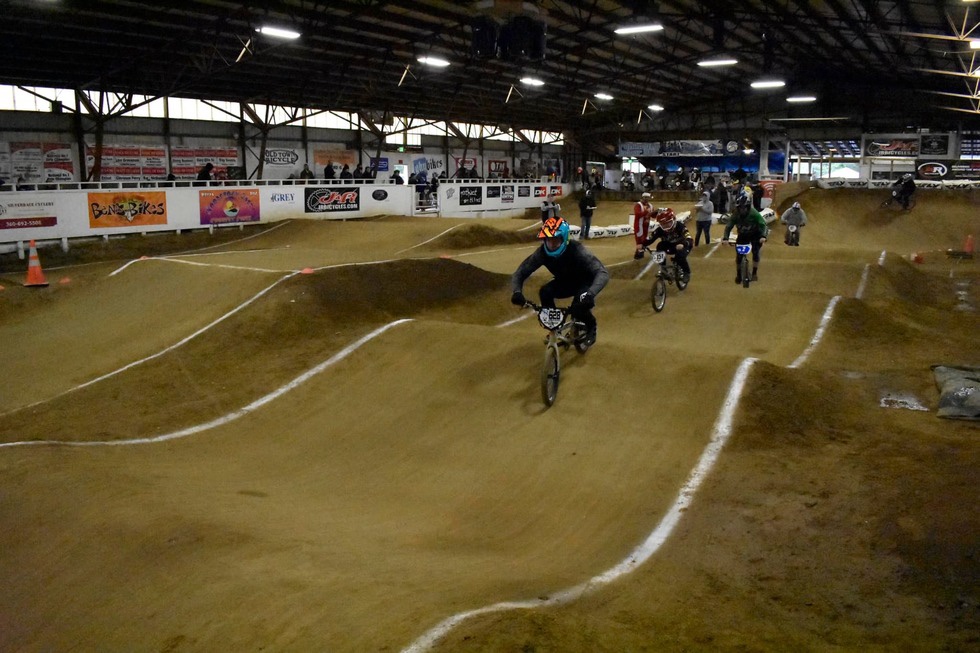
Even well-intentioned governance becomes problematic when unchecked. Without a competing sanctioning body or transparent oversight, accountability declines. Riders and track operators have limited influence on major decisions, such as rule changes or membership costs. Complaints about race scheduling, transponder requirements, or inconsistent officiating often go unresolved because there is nowhere else to turn. A healthy sport requires feedback loops and checks on power, but monopoly control removes those mechanisms. The result is a top-down system that prioritizes organizational revenue over community voice.
Ultimately, USA BMX’s monopoly status may ensure short-term stability but threatens long-term sustainability. BMX racing thrives on accessibility, diversity, and independence—the very qualities that monopoly control suppresses. Encouraging multiple sanctioning bodies, local leagues, or open-class racing formats could reintroduce competition and creativity into the sport. True progress in BMX will come not from one organization’s dominance but from the freedom of riders, tracks, and communities to shape the sport in their own image—just as BMX itself was born from breaking rules, not enforcing them.
Why USA BMX’s Centralized Control Has Strengthened the Sport
BMX racing is one of the few action sports that combines family involvement, youth development, and Olympic-level competition. While some critics argue that USA BMX functions as a monopoly, many within the sport see its centralized control as a necessary foundation for stability and growth. By uniting what was once a fragmented racing scene under one banner, USA BMX has provided consistency, structure, and national recognition that grassroots chaos alone could never achieve. Rather than stifling the sport, USA BMX’s leadership has ensured that BMX racing remains organized, safe, and visible.
Before the 2011 merger of the American Bicycle Association (ABA) and the National Bicycle League (NBL), BMX racing in the United States was divided and inconsistent. Rules varied from region to region, tracks competed for riders, and event scheduling often overlapped. This fragmentation confused newcomers and limited the sport’s professional potential. When USA BMX unified both organizations, it brought one national standard for rules, scoring, and safety. This consistency allowed riders to progress seamlessly from local racing to national competition, ultimately making BMX more professional and accessible to families across the country.
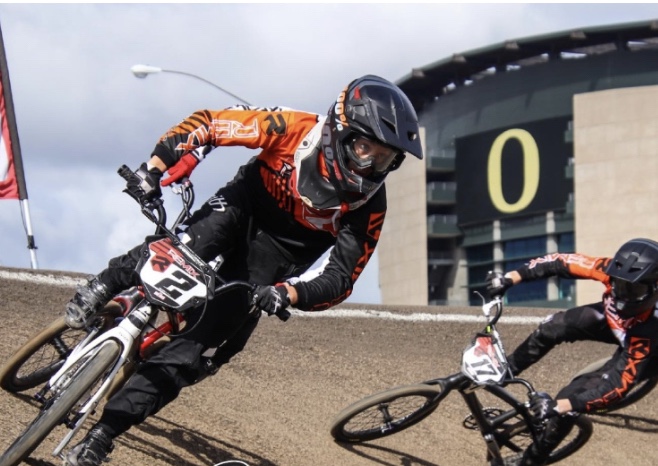
One of the greatest benefits of USA BMX’s structure is its commitment to safety and insurance coverage. Running a BMX track involves inherent risk, and without an established sanctioning body, many local tracks would struggle to secure liability protection or maintain proper standards. USA BMX provides that critical framework—offering insurance, certified officials, and standardized protocols that protect both riders and track operators. This professional backbone allows thousands of kids to race every weekend under conditions that meet recognized safety guidelines, something independent or unsanctioned races would find difficult to guarantee.
Centralization has also led to stronger youth development pathways. Through its multi-level class system and ranking structure, USA BMX gives riders tangible goals to work toward—from local points races to national titles and eventually the Olympics. By maintaining a single national points database, the organization creates a clear sense of progression that motivates athletes and keeps families engaged. This same structure has helped identify and nurture Olympic-level talent through partnerships with USA Cycling, something that would be far more complicated in a decentralized system.
Economically, USA BMX’s unified model supports track sustainability and community engagement. Local tracks benefit from national branding, marketing support, and inclusion in a larger network that brings consistent participation. USA BMX’s large-scale national events also generate significant tourism revenue for host cities, filling hotels and restaurants and spotlighting BMX as a serious sport. Without a central governing body capable of coordinating these logistics, many of these events—and their economic benefits—would not exist at the same scale.
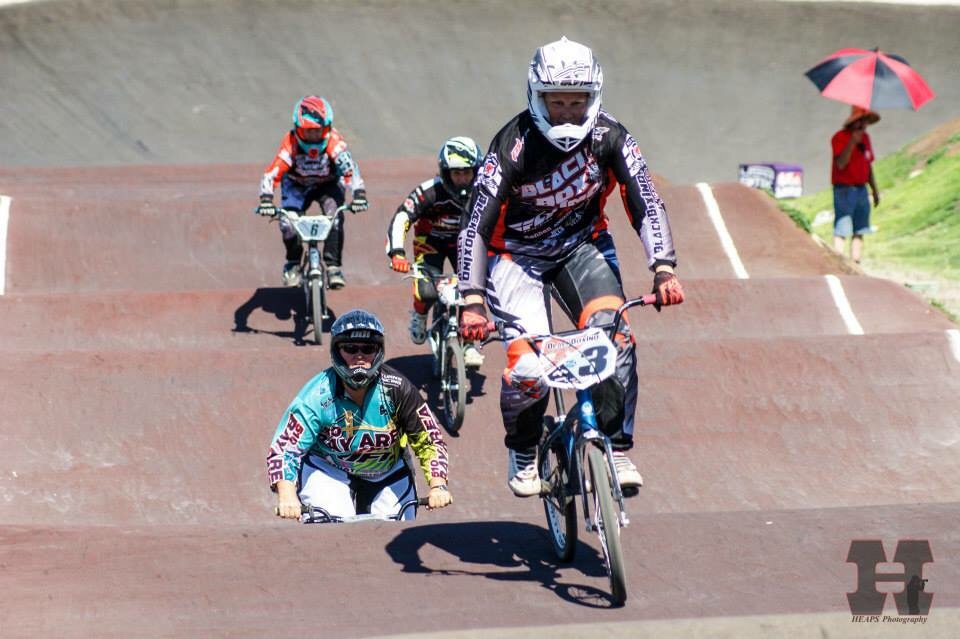
USA BMX’s monopoly-like presence has also allowed for technological and organizational investment that would be impossible for fragmented organizations to match. Their adoption of modern timing systems, live scoring, and structured national schedules has elevated the spectator experience and improved race management. Central control means the organization can reinvest membership fees into digital platforms, marketing, and track upgrades that benefit everyone, rather than competing bodies duplicating efforts and wasting resources.
From a cultural standpoint, USA BMX has provided the sport with legitimacy and visibility that attract sponsors, media coverage, and Olympic funding. A single, well-recognized governing body gives BMX a unified voice in the larger sports world, ensuring it has a seat at the table alongside traditional sports. This credibility helps parents feel comfortable enrolling their kids, sponsors confident in their investments, and local governments willing to support track construction and maintenance. Fragmentation could easily erode that progress by creating confusion and inconsistency.
In the end, while monopoly power can sometimes invite abuse, USA BMX’s dominance has largely benefited the sport by ensuring stability, safety, and growth. The organization’s unified structure makes BMX racing easier to understand, safer to participate in, and more sustainable for communities nationwide. Though there is always room for reform and greater transparency, USA BMX has accomplished something few sports organizations have achieved: transforming a niche, DIY activity into a structured, family-friendly, Olympic-recognized sport while still preserving much of its grassroots spirit. In this sense, its control has not hurt BMX—it has kept it alive.
Categories: Racing
 BMX Oregon
Leave a comment