Vintage BMX // Legacy or Living in the Past?
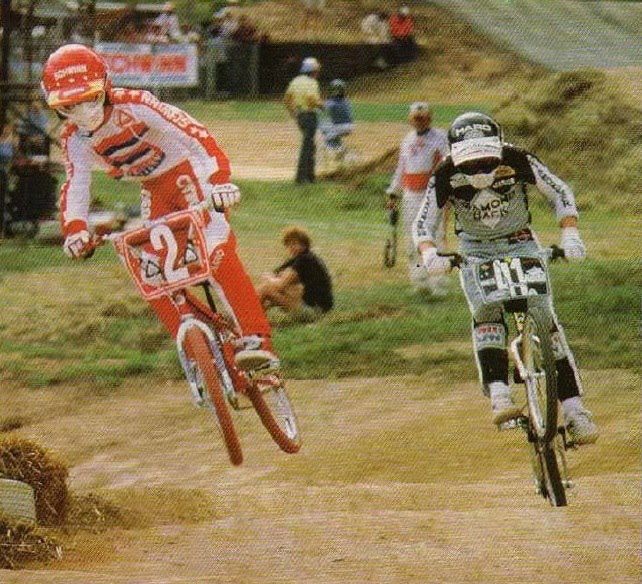
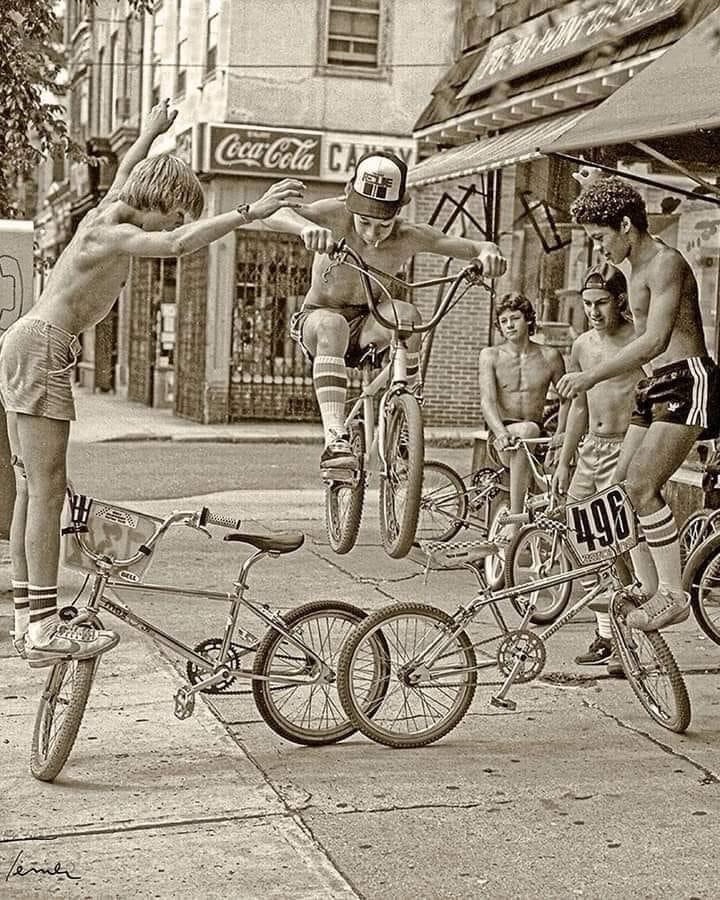
Vintage BMX bikes occupy a unique place in cycling culture, sitting at the crossroads of nostalgia, history, and identity. For many riders, these bikes represent a golden era when BMX was raw, creative, and community-driven. The sight of chrome frames, skyway mags, and pad sets instantly brings back memories of neighborhood tracks and freestyle sessions. To outsiders or newbies, however, this attachment can seem like an unwillingness to move forward, raising the question of whether OG riders are honoring the past or simply stuck in it.
Nostalgia plays a powerful role in the appeal of vintage BMX bikes. For riders who grew up in the 1980s and 1990s, these bikes symbolize freedom, youth, and the early days of self-expression on two wheels. Riding the same style of bike today reconnects them with formative experiences and emotions that modern bikes cannot replicate. In this sense, vintage BMX is less about performance and more about preserving personal and cultural memories.
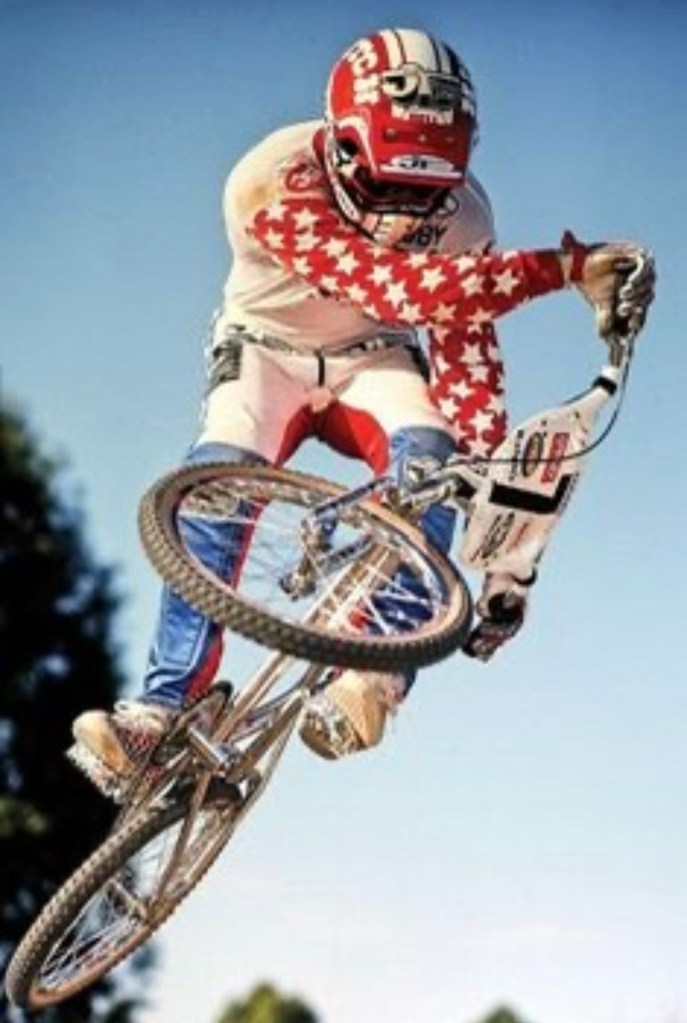
At the same time, vintage BMX bikes represent authenticity and roots. The original designs were built when BMX culture was still forming, before corporate influence and mass production reshaped the sport. OG riders often see themselves as guardians of that original spirit, maintaining traditions that newer generations might not fully understand. For them, riding old-school bikes is not regression, but respect for where the sport came from.
However, critics argue that clinging to outdated equipment limits progression. Modern BMX bikes are lighter, stronger, and more responsive, allowing riders to push tricks further with less risk. Compared to today’s machines, vintage bikes can feel sluggish and less forgiving, making them impractical for serious riding. From this perspective, choosing old-school gear can look like prioritizing image over evolution.
Yet, many riders don’t see vintage BMX as a rejection of progress but as a parallel lane within the culture. Just as classic cars coexist with modern supercars, old-school BMX exists alongside contemporary street and park setups. Riders can appreciate both eras without dismissing either. Vintage bikes become rolling art pieces, cruisers, or collectors’ items that celebrate BMX history rather than compete with modern performance standards.
There is also a social dimension to vintage BMX that modern bikes can’t replicate. Old-school rides and shows create intergenerational spaces where stories, techniques, and culture are passed down. Younger riders get exposure to BMX’s origins, while older riders stay connected to the community. These interactions strengthen the culture rather than freeze it in time.
Ultimately, whether vintage BMX is nostalgia or living in the past depends on how it is used. If riders refuse innovation and dismiss modern styles, then nostalgia becomes limitation. But if vintage bikes are embraced as a tribute to BMX history while still supporting progression elsewhere, they become a meaningful part of the sport’s ecosystem. Context and mindset matter more than the equipment itself.
In conclusion, vintage BMX bikes are less about OGs being stuck in the past and more about honoring where BMX came from. Nostalgia fuels the passion, but respect for history sustains it. Rather than holding the sport back, old-school BMX adds depth, continuity, and identity to a culture that thrives on creativity and self-expression.
Categories: Opinion
 BMX Oregon
Leave a comment