Built by Miles // Staying Competitive as the Body Changes
Recovery changes with time, but it does not disappear. Athletes who have spent their lives moving often notice that the body no longer resets as quickly as it once did. Muscles stay sore longer, small injuries linger, and the margin for error narrows. Yet experience brings something valuable in return: a deeper understanding of effort, pacing, and the signals the body sends. What once relied on raw energy gradually becomes a conversation between discipline and awareness.
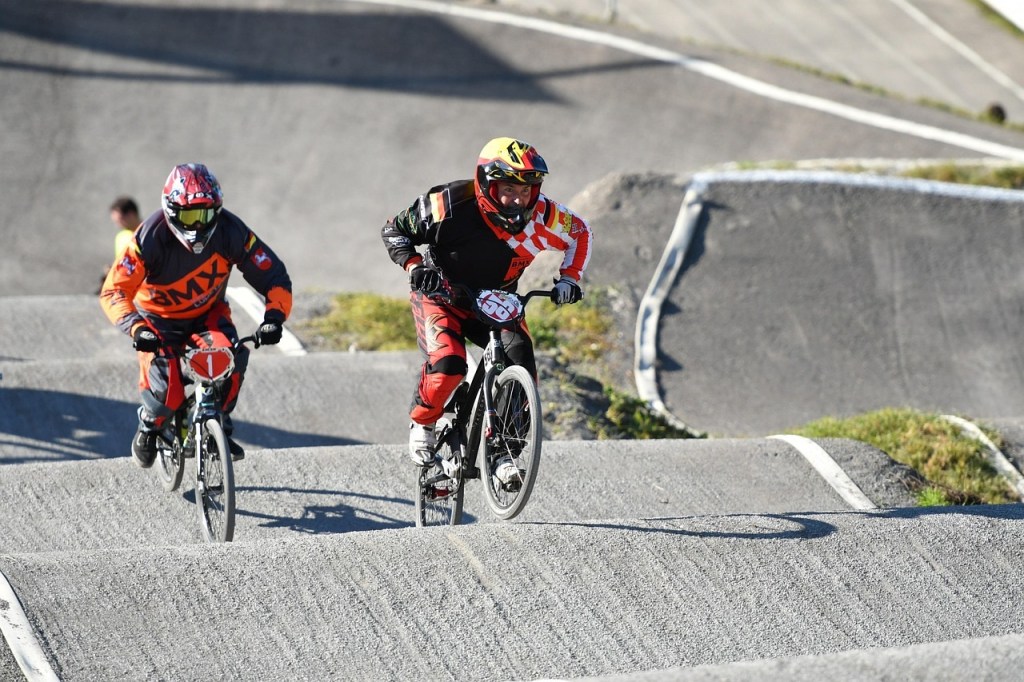
For riders who have spent years racing BMX, the body carries the history of countless efforts—explosive gate starts, hard sprints, jumps, and crashes that demanded resilience. Those experiences build strength, but they also accumulate stress. Recovery becomes less about simply waiting for soreness to fade and more about actively supporting the body. Sleep, mobility, hydration, and nutrition begin to matter as much as the training itself.
One of the advantages lifelong athletes have is familiarity with discomfort. Years of racing teach a person how to distinguish between productive fatigue and warning signs that something is wrong. That awareness allows older athletes to manage their workload more intelligently. Instead of chasing intensity every day, they learn when to push and when to step back.

Consistency becomes the true secret weapon. Someone who has remained active for decades has built a foundation that cannot be replicated quickly. Bones are denser, connective tissue is conditioned, and the nervous system understands movement patterns that have been repeated thousands of times. Even when recovery slows, that base allows the body to keep performing in ways that surprise people who began training later in life.
However, recovery with age demands patience. Where younger athletes might bounce back after a single night’s rest, older competitors often need days of lighter movement to feel fully restored. This is not a weakness but a shift in rhythm. Active recovery—easy movement, stretching, and low-intensity work—becomes a way of maintaining momentum without digging deeper into fatigue.
Nutrition also takes on a larger role. Muscles do not repair themselves without the raw materials to do so. Protein, carbohydrates, electrolytes, and simple hydration become tools that influence how quickly the body rebounds. Athletes who ignore these basics often discover that recovery stalls, while those who pay attention to them feel the difference in their next training session.
Sleep might be the most powerful recovery tool available. Growth hormone release, tissue repair, and neurological reset all happen during deep rest. Many experienced athletes come to value sleep as seriously as they once valued training sessions. A well-rested body can absorb stress and rebuild itself far more effectively than one that is constantly depleted.
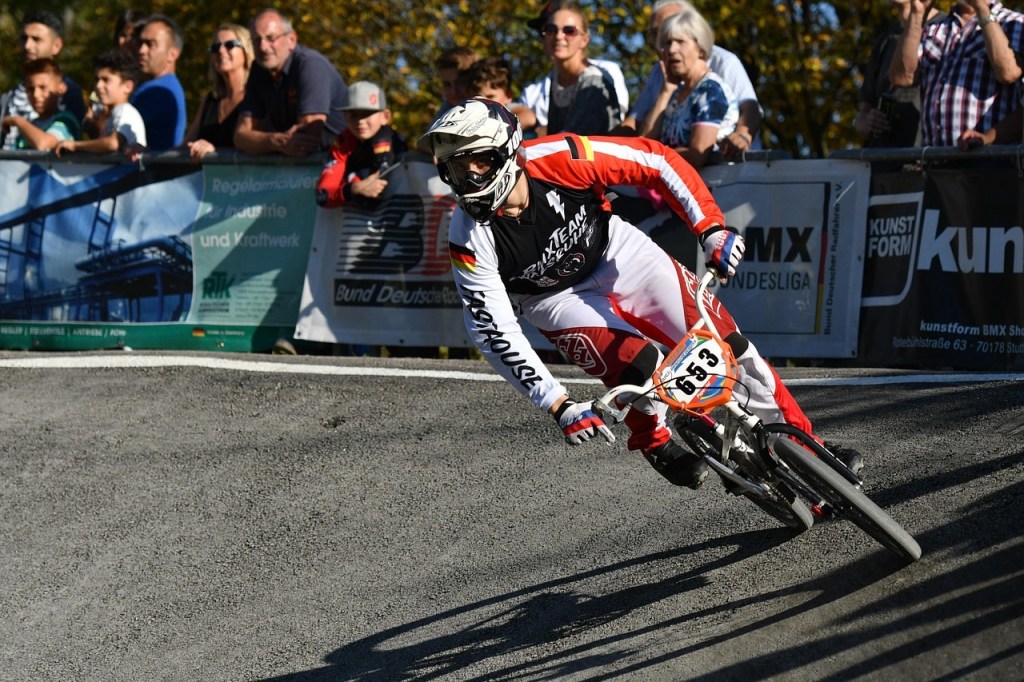
Mental recovery is equally important. Racing, training, and competition demand focus and emotional energy. Over time, athletes learn that stepping away occasionally—spending time in nature, with family, or simply riding without pressure—restores motivation. This mental reset often leads to better physical performance as well.
Perhaps the greatest advantage of aging athletes is perspective. Younger competitors often push relentlessly, believing progress only comes from constant intensity. Experience teaches something different: improvement comes from balance. The strongest athletes are often the ones who respect recovery as part of the training process rather than an interruption to it.
In the end, recovery as we age becomes less about resisting time and more about adapting to it. Lifelong movement creates a body that remains capable and resilient even as its rhythms change. The athlete who listens carefully—to soreness, fatigue, and energy—can continue racing, training, and progressing long after others have stepped away. Age may slow the process, but dedication and awareness keep the journey going.
 BMX Oregon
Leave a comment