Why BMX Racing Teaches Kids Skills for Life
BMX racing is more than just a high-adrenaline sport—it’s a powerful tool for character development. At its core, BMX racing introduces children to goal-setting, personal responsibility, and perseverance. Each race is a short, intense challenge where success depends on preparation, focus, and effort. Kids quickly learn that progress comes from consistent practice and that improvement often involves pushing through fear and discomfort. These experiences build grit, a quality essential in school, work, and relationships.
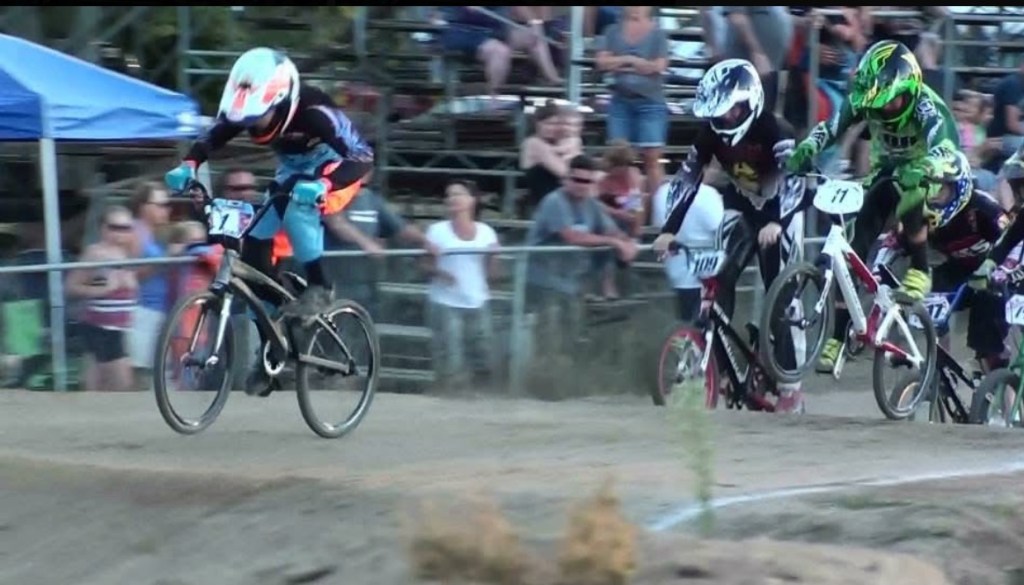
One of the most important life skills kids gain through BMX racing is resilience. Crashes happen, races are lost, and expectations sometimes go unmet. But BMX teaches children to get back up—literally and emotionally. Falling is not failure; it’s a step in the learning process. Kids develop emotional toughness as they face disappointment and choose to keep showing up. That ability to rebound from setbacks serves them well in every area of life, from academics to future careers.
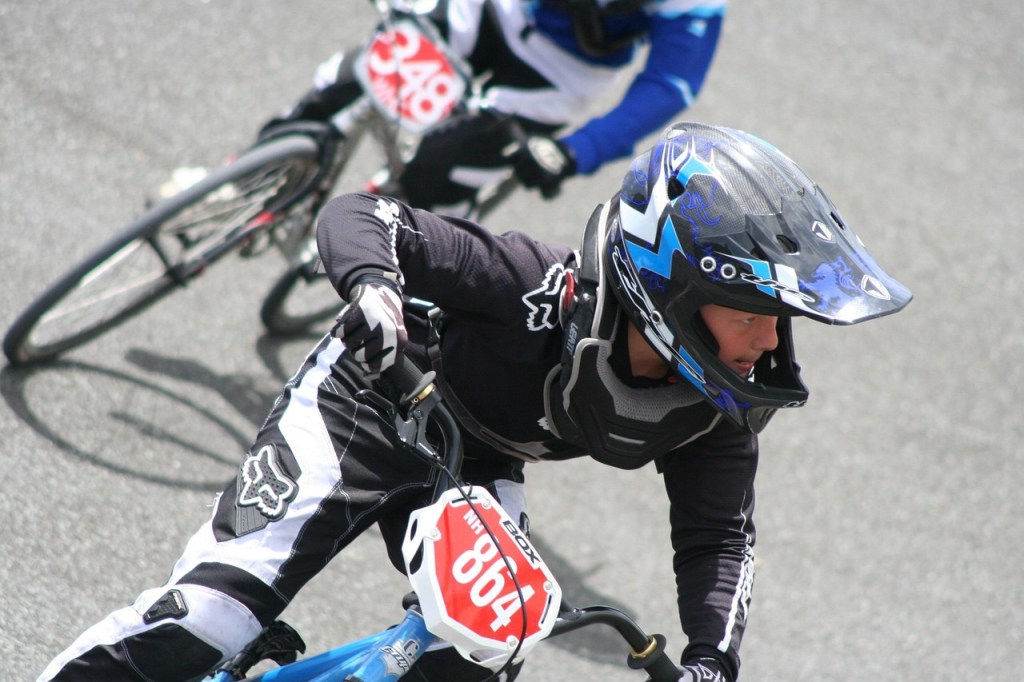
Discipline and time management are also natural byproducts of BMX participation. Racing requires early mornings, weekend travel, and hours of training. Kids involved in BMX must learn to balance school, family life, and their sport. This juggling act fosters a strong sense of commitment and time awareness. They learn to plan ahead, prioritize tasks, and work toward long-term goals—skills that many adults struggle to master.
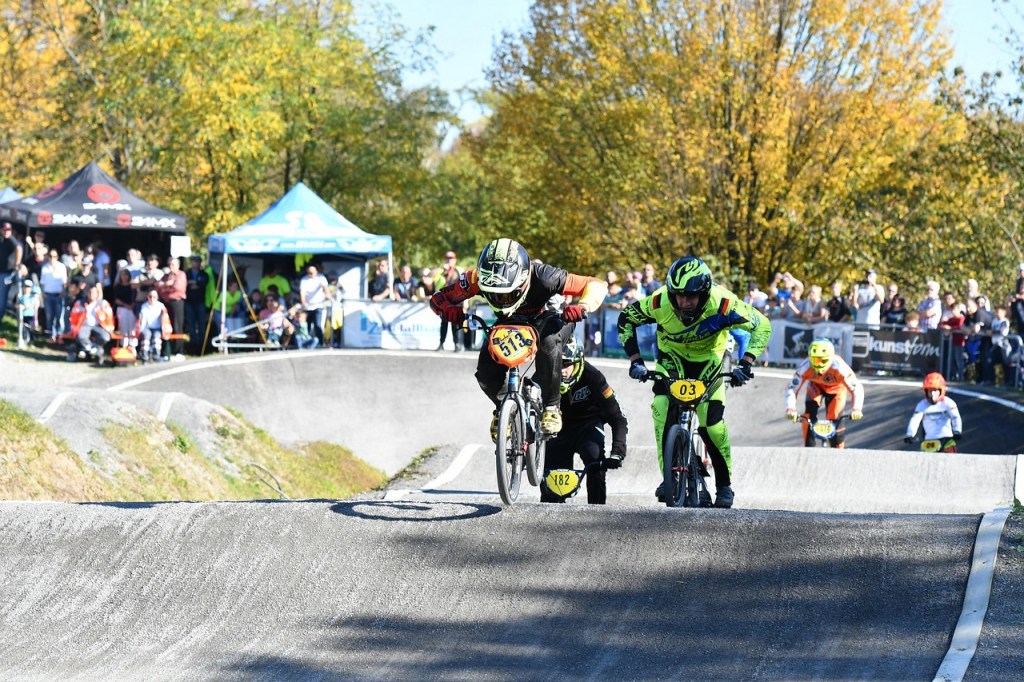
BMX racing nurtures confidence through achievement and risk-taking. From conquering their first starting hill to mastering technical jumps and corners, every milestone is earned through courage and practice. Kids feel the pride of doing something difficult. And because BMX is an individual sport with a strong community, kids often find themselves both self-motivated and supported. This balance creates healthy self-esteem that isn’t dependent on external validation.
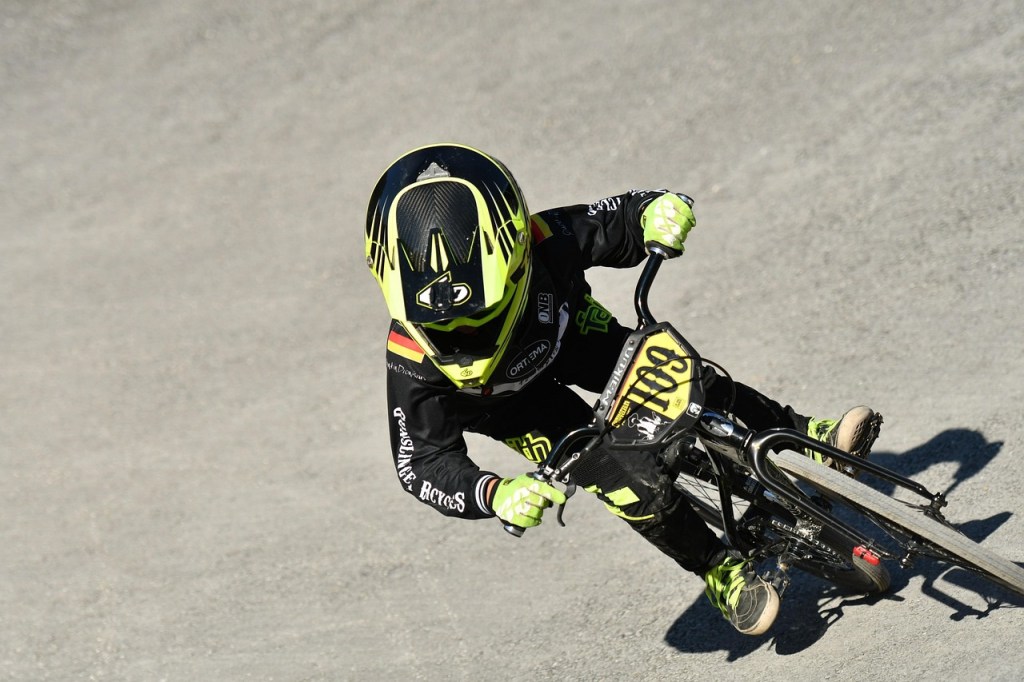
Teamwork, despite BMX being an individual competition, is still central to the sport. Riders often train together, encourage one another, and celebrate each other’s victories. In local clubs and national circuits, riders build friendships across age and skill levels. Older riders mentor younger ones, teaching by example. Kids learn to uplift others while still striving to be their best. This environment fosters empathy, humility, and sportsmanship.
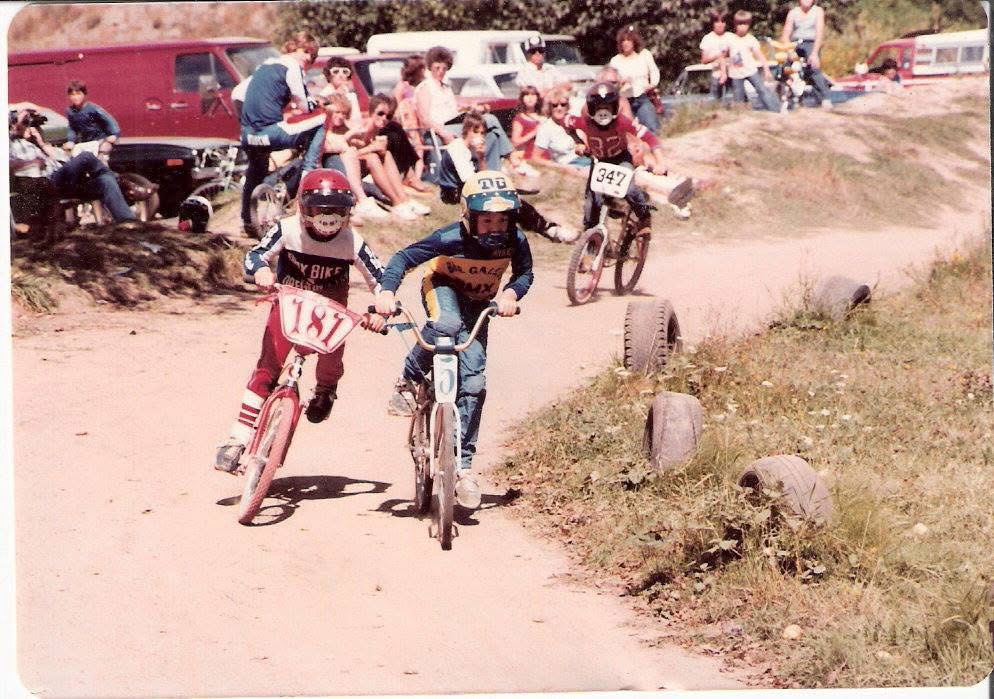
Another powerful skill BMX racing instills is risk assessment and decision-making under pressure. Riders must make split-second choices on the track—when to pass, how to take a line, whether to brake or push harder. These decisions have real consequences, making the stakes high and the lessons stick. Over time, kids become more aware of their surroundings, more attuned to cause and effect, and more confident in trusting their instincts.
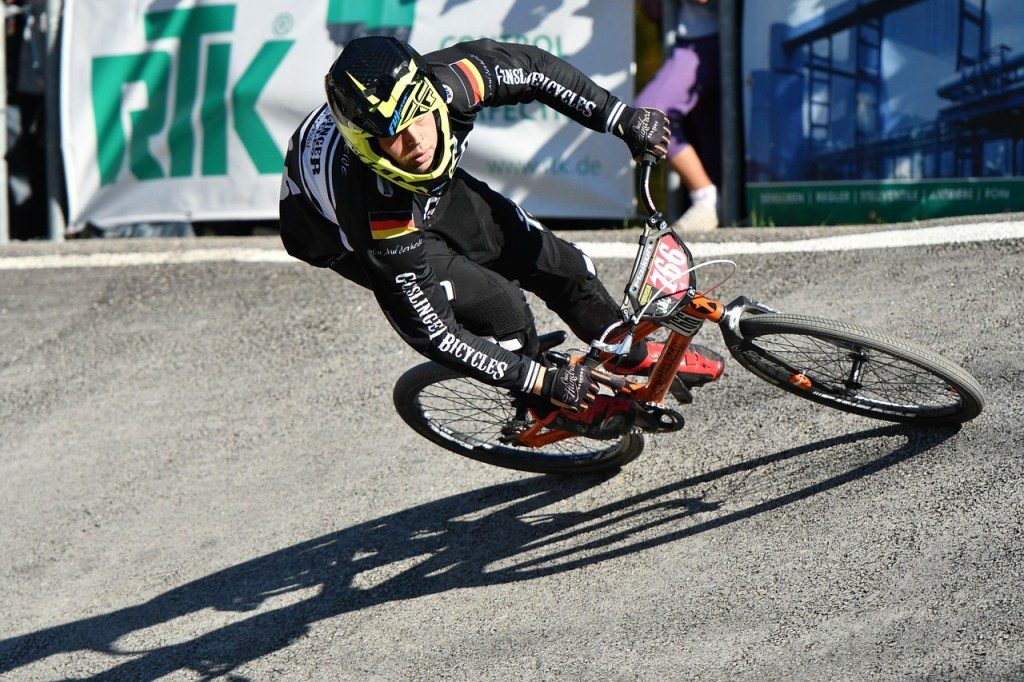
BMX also cultivates a strong connection between body and mind. The sport demands physical control, balance, and awareness, which leads to increased proprioception and physical intelligence. But it also requires mental presence. Riders learn how to breathe through nerves, stay focused in chaos, and maintain clarity when adrenaline spikes. These mindfulness skills transfer well to any stressful situation, helping kids regulate emotions and stay calm under pressure.
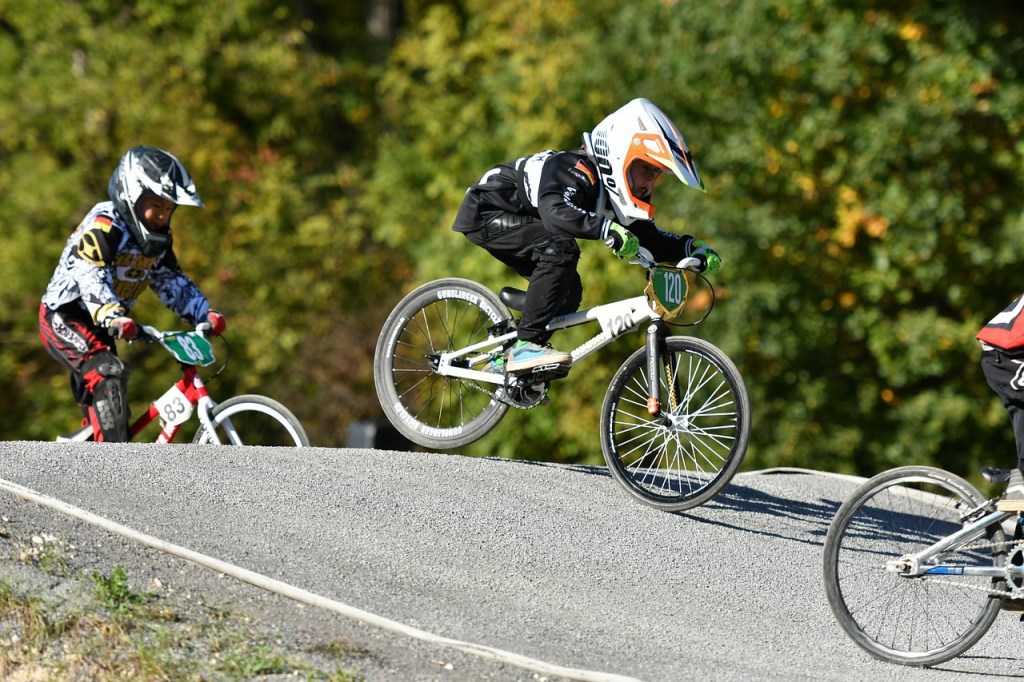
Finally, BMX introduces children to a lifelong relationship with movement, community, and passion. Whether they continue racing into adulthood or move on to other interests, the habits and mindset they build in BMX stay with them. They carry forward the idea that dedication matters, that setbacks are part of growth, and that movement is a path to both joy and self-discovery. In this way, BMX racing becomes more than a sport—it becomes a foundation for life.
Categories: Opinion
 BMX Oregon
Leave a comment