
How BMX Could Become a High School Sport by Adopting a Model Like NICA
BMX racing, with its explosive energy, precision, and community-driven culture, has been a defining part of youth cycling for decades. Yet despite its Olympic status and deep grassroots following, it remains largely outside the realm of organized school sports. Mountain biking once faced the same challenge until the creation of the National Interscholastic Cycling Association (NICA), which unified school-based programs under a single, safety-focused model. If BMX were to adopt a similar framework, it could transform from a weekend passion into an established scholastic sport with national reach.
The success of NICA came from structure and standardization. Before its creation, youth mountain biking existed in scattered pockets without consistent rules, coaching certification, or event organization. NICA solved that by building a national framework with clear standards and a focus on education, safety, and inclusivity. BMX could follow suit by creating a scholastic governing body that works in partnership with USA BMX and local tracks. A model like this would give schools and families confidence in the legitimacy and safety of BMX competition, making it easier to integrate into athletic programs.

Safety would be the cornerstone of such a transition. NICA’s approach includes mandatory coach training, concussion protocols, and comprehensive risk management — principles that make the sport accessible to schools and parents alike. BMX already enforces strict helmet, gear, and track safety standards, but adopting a certified scholastic coaching program would raise those standards even higher. When schools see that BMX can operate under the same professionalism and oversight as football or track, hesitation about “extreme sports” would quickly fade.
The logistics of hosting BMX events would be relatively simple compared to other emerging school sports. BMX tracks already exist in hundreds of communities across the country, sanctioned by USA BMX and equipped for year-round racing. These facilities could easily host after-school leagues or weekend competitions, eliminating the need for new infrastructure. Schools could form teams that practice at local tracks, with volunteer coaches and parents coordinating transportation and support — a model that mirrors NICA’s success in mountain biking.

Inclusivity would also be central to BMX’s growth within schools. One of NICA’s strongest philosophies is that every rider participates — there are no tryouts, no benches, and no exclusions. BMX already thrives under the same principle, offering multiple skill classes from beginner to expert and equal opportunities for both boys and girls. This format not only encourages participation from a broad range of students but also supports schools’ equity goals by introducing a coed, skill-based athletic program where performance and progress are personal as much as competitive.
The educational value of BMX also aligns naturally with school objectives. Beyond fitness and competition, BMX teaches balance, focus, perseverance, and mechanical understanding. Riders learn to set goals, manage fear, and respect both their equipment and their peers — life skills that extend far beyond the track. Schools could further integrate BMX into their academic culture by offering lessons in bike maintenance, sports science, and environmental stewardship, creating a holistic program that supports both physical and intellectual development.
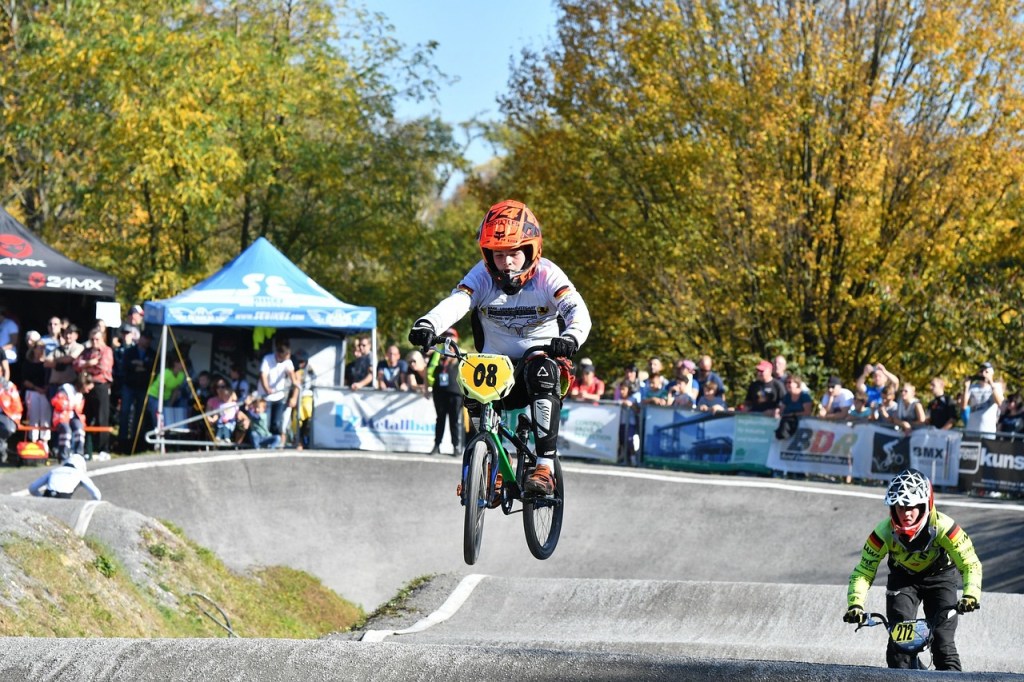
Financial accessibility would be essential for scholastic BMX to thrive. Although legacy brands like Haro, GT, and Redline have stepped away from BMX racing or gone out of business, many modern companies — such as Chase, Meybo, Supercross, and DK — remain deeply invested in the sport’s future. These manufacturers, along with local shops and regional sponsors, could support school programs through discounts, grants, and gear donations. Working in partnership with USA BMX, a scholastic league could reduce barriers to entry and make racing more affordable for students from all backgrounds.
If BMX were to adopt a model similar to NICA, it could redefine what youth sports look like in American schools. Students would gain access to a fast-paced, empowering athletic experience; communities would see renewed energy at local tracks; and schools would add a sport that promotes inclusivity, safety, and personal growth. BMX has always embodied creativity and courage — and with the right structure, those same values could thrive in classrooms and on starting hills across the country.

Update – 4:18pm PST
Something I just learned about after this post. Thank you to the people who have pointed this out. I did not know that it existed.
National Interscholastic BMX League
https://nationalinterscholasticbmxleague.com/about-us
The NIBL is sanctioned by USA BMX.
Categories: Opinion
 BMX Oregon
Leave a comment