
Walking the Fine Line Between Motivation and Overbearing in BMX Parenting
Parenting a BMX racer brings unique challenges and opportunities. The sport demands speed, focus, courage, and resilience, and many young riders rely on their parents not only for transportation and equipment, but also for emotional support. Parents naturally want to motivate their children to do their best, but the fine line between healthy encouragement and becoming overbearing can be thin. Crossing that line often risks dampening the joy of racing, while staying balanced fosters growth both on and off the track.
Motivation at its best comes from a place of trust and empowerment. A parent who cheers loudly, praises effort, and emphasizes learning helps the child associate BMX with fun and personal progress. In this environment, winning becomes a bonus rather than the sole goal. The child feels supported regardless of results, and they build confidence knowing that their hard work is noticed. When motivation is framed as encouragement rather than pressure, BMX becomes a foundation for lifelong lessons about perseverance and self-belief.

However, the risk of sliding into overbearing behavior is always present. Parents who constantly critique lap times, insist on perfection, or compare their child to others may unintentionally shift the focus away from fun and toward fear of failure. This creates anxiety in young racers who begin to feel like their worth is measured only in wins and podiums. BMX racing already carries plenty of pressure from the gate and competition; extra stress from a parent can make the sport feel more like a burden than a joy.
Overbearing involvement often stems from good intentions. Parents may believe they are pushing their child toward excellence or teaching them valuable discipline. Yet, without balance, these efforts can backfire. Children may rebel against the sport altogether or internalize a sense of inadequacy, thinking they’ll never meet expectations. In extreme cases, young riders may burn out before they ever reach their true potential, not because of a lack of talent, but because the fun was taken away too soon.

One way to walk the fine line is by shifting the focus from outcomes to effort. Parents who ask, “Did you try your hardest?” rather than “Did you win?” are teaching resilience rather than perfectionism. They validate the child’s growth regardless of results, and this builds a mindset that values persistence. By celebrating progress—like smoother corners, faster starts, or greater confidence in jumps—parents keep their children motivated without piling on harmful pressure.
Another strategy is giving riders autonomy. Letting kids make small decisions about their race bike setup, practice routines, or even choosing which events to enter fosters ownership of the sport. This doesn’t mean parents should withdraw completely—guidance and safety are still essential—but stepping back shows trust. When a child feels they have a voice, they’re more likely to stay invested in BMX for the long run.
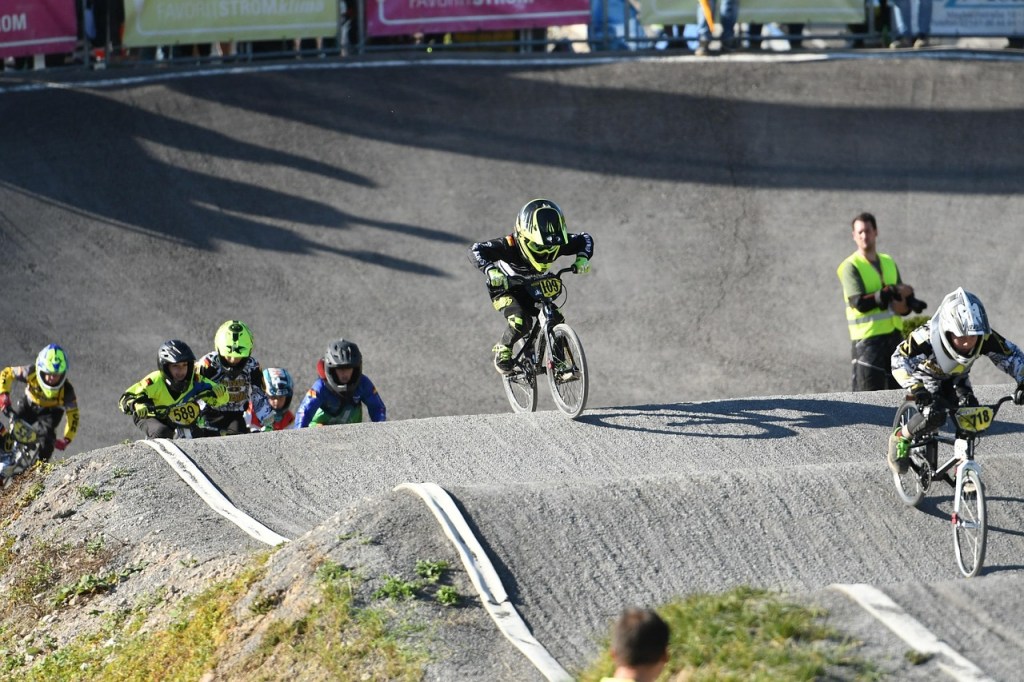
Communication also plays a vital role. Parents who listen to their children’s feelings about racing—whether they’re excited, nervous, or frustrated—can respond with empathy rather than control. Asking what the child enjoyed about a race, or what they want to work on next time, opens dialogue and keeps the parent-child bond strong. This supportive approach ensures the rider sees their parent as a teammate rather than a taskmaster.
In the end, BMX parenting is about balance. Motivation is necessary to help a child reach their potential, but overbearing involvement risks smothering their passion. The healthiest approach is to encourage effort, celebrate growth, and keep BMX fun above all else. Walking this fine line ensures that racing becomes more than just competition—it becomes a source of confidence, joy, and family connection that will last long after the checkered flag has dropped.

Takeaways: Key things to watch out for: parental pressure, parents acting as “coaches” from the sidelines, living vicariously through the child, reducing the child’s autonomy and choice — these behaviours have been shown (in analogous sports) to reduce enjoyment, motivation, and increase risk of burnout or quitting.
Categories: Opinion
 BMX Oregon
Leave a comment