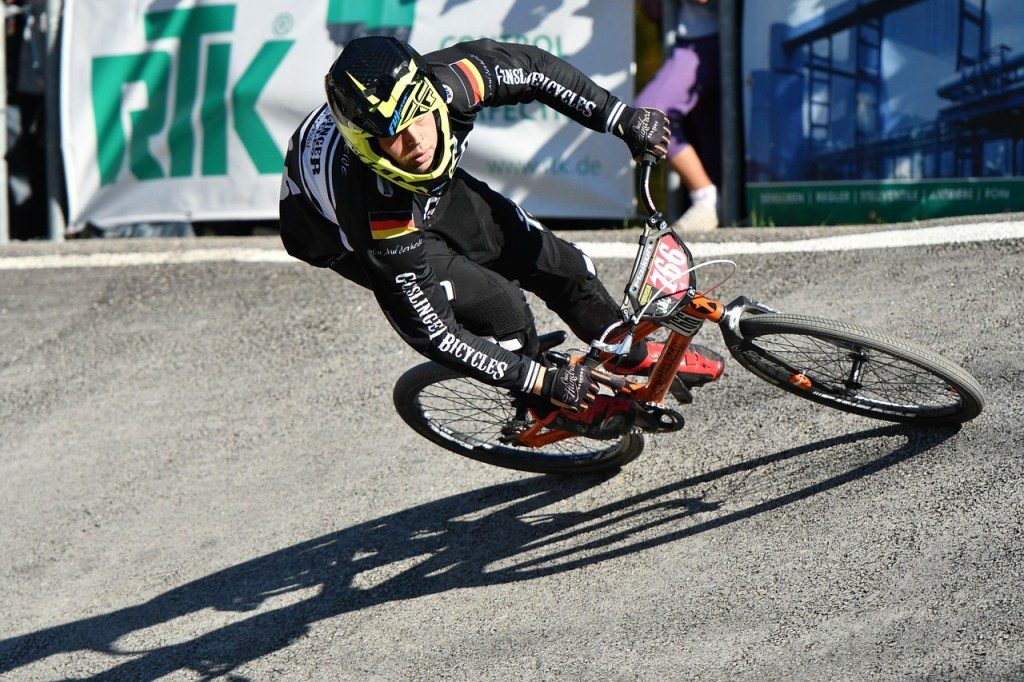
Opinion: When Should a BMX Racer Start Taking It Seriously?
BMX racing sits in a strange place because it can be two completely different things depending on how you approach it. For some riders, it is simply a Saturday at the track, hanging out with friends, gate drops, a little adrenaline, and then heading home smiling. For others, it becomes a serious athletic pursuit built around gym work, sprint intervals, nutrition, bike setup, mental preparation, and chasing every tenth of a second. The hard part is knowing when—or if—you should cross that line from casual rider to true athlete. The answer is not the same for everyone, because BMX can give you something valuable in both forms.
When you first get into BMX racing, the most important thing should almost always be enjoyment. In the early stages, riders are learning how to handle nerves, pump transitions, snap out of the gate, read lines, and understand race rhythm. Those things come easier when the rider still sees the track as a playground rather than a workplace. If every practice immediately becomes a performance review, the sport can lose its magic before the rider even discovers why they loved it in the first place. A lot of young athletes across many sports burn out not because they lacked talent, but because seriousness arrived before passion was deeply rooted. Research on youth sport specialization consistently shows that early overcommitment raises the risk of burnout, overuse injuries, and eventual dropout.
There is also something important that casual racing teaches that formal training sometimes cannot: instinct. Riders who simply race because they enjoy it tend to experiment more. They manual things they should not manual, jump things they probably should not jump, and try lines that a rigidly coached athlete may never attempt. This playful experimentation builds bike feel. BMX is not just watts and lap times—it is timing, aggression, confidence, and the ability to react in fractions of a second. Many riders who stayed loose and fun-focused in the beginning end up with a much more natural race style than riders who were drilled too hard too early.
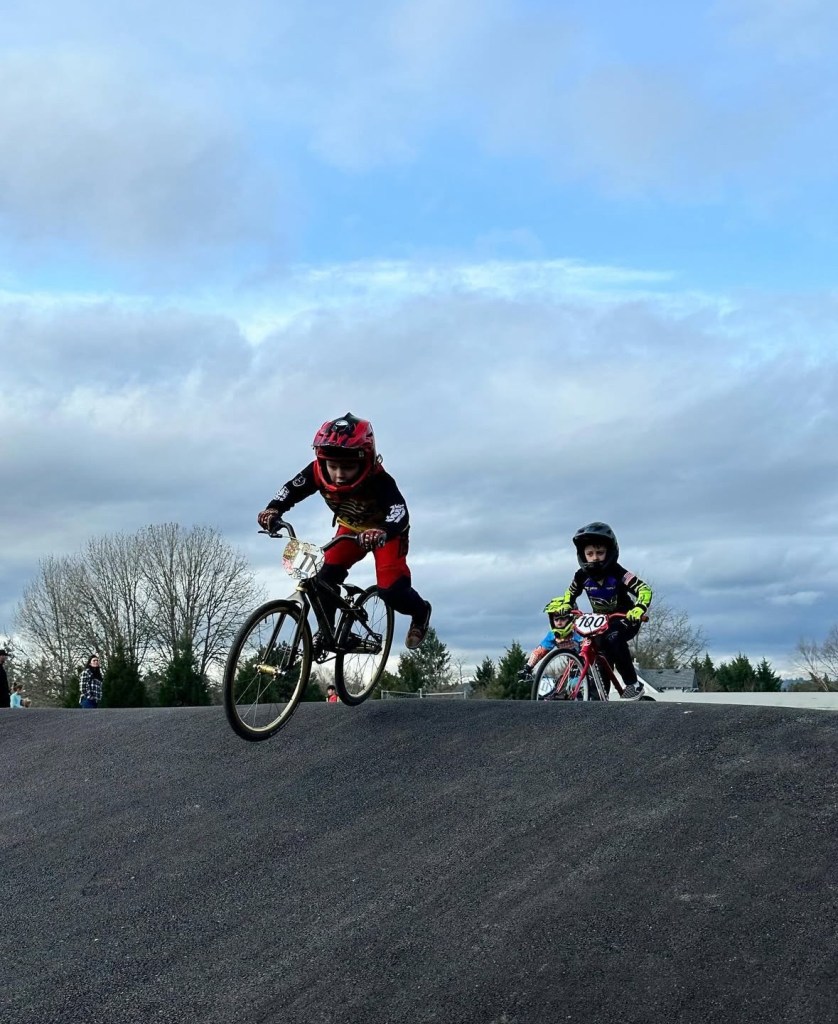
That said, there does come a point for some riders where casual participation starts creating frustration. This usually happens when the rider realizes they care deeply about the results. Maybe they are tired of getting beat out of the gate. Maybe they know they have podium potential but lack stamina in the mains. Maybe they begin comparing themselves to district or national riders and feel the gap. This is often the first true signal that more serious training might be appropriate—not because a parent wants it, not because a coach says so, but because the rider internally wants more than the current effort is producing. Serious training should begin when desire starts outrunning casual preparation.
The biggest mistake many riders make is assuming that if they love BMX, they automatically need to turn it into a year-round mission. That is not always true. Loving something does not obligate you to professionalize it. There are many lifelong BMX racers who never chase national titles, never train six days a week, and never turn every race into a referendum on their worth. They simply enjoy local competition, incremental progress, and the social atmosphere of the track. There is tremendous value in that. In fact, many athletes who preserve sport as a source of joy stay in it much longer than athletes who attach all their identity to winning. Studies on youth talent development repeatedly warn that excessive performance pressure is one of the major contributors to athlete dropout.
If a rider does decide to start training seriously, it should not happen all at once. There is a difference between “trying harder” and “building an athlete.” Real BMX training means adding structure slowly—gate repetitions with purpose, sprint work for explosive starts, lower-body strength, mobility, and race visualization. But even then, the rider should still leave room for fun sessions where no stopwatch exists. Once every pedal stroke is measured, BMX can start to feel like a job. The best racers often maintain one foot in discipline and one foot in play. They know when to suffer, but they also know how to remember why they bought the bike in the first place.
Another thing to consider is age and life balance. Younger riders especially should be careful about making BMX the only thing they do. Multi-sport participation and broad athletic development often create stronger long-term athletes than early single-sport obsession. Sprinting, jumping, trail riding, gymnastic movement, and even other bike disciplines all contribute to a more complete BMX racer. Riders who only circle one track year-round sometimes become technically stale and mentally fatigued. Delayed specialization has been associated in many sports with lower injury risk and often better long-term performance outcomes.
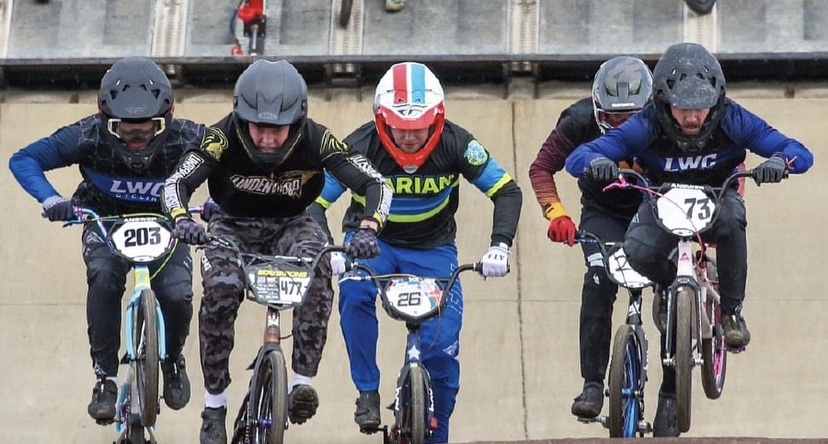
There is also an emotional truth that riders and parents need to hear: serious training changes your relationship with racing. Once you invest heavy hours, money, and mental energy, losses hit harder. Casual racing allows you to shrug off a bad moto and laugh with your friends. Serious racing can make every mistake feel expensive. Some riders thrive under that pressure because they are deeply competitive. Others discover that the pressure steals everything they liked about the sport. This is why the decision to “go all in” should never be romanticized. It comes with rewards, but it also comes with cost.
Perhaps the best question is not “When should I start training seriously?” but “Why do I want to?” If the answer is because you genuinely hunger for improvement, love the process, and are excited by challenge, then serious training can be deeply fulfilling. But if the answer is because you feel behind, feel external pressure, or think you are supposed to because others are doing it, then keeping BMX casual may actually protect your long-term relationship with the sport. BMX should enhance your life, not consume it to the point where every race day feels like an obligation.
In the end, there is no universal deadline where a BMX rider must choose between fun and discipline. Some of the best riders become elite because they eventually turned passion into focused work. Some of the happiest riders never made that switch and still treasure every lap. The smartest path is usually this: keep it casual until your love for BMX becomes strong enough to survive training. Once the joy is deeply rooted, structure can grow on top of it. But if the joy is not there first, all the training in the world will eventually feel heavy. BMX is supposed to make your heart race before it makes your legs burn, and that is a balance worth protecting.
Sources
https://pubmed.ncbi.nlm.nih.gov/32166094/?utm_source=chatgpt.com
https://pmc.ncbi.nlm.nih.gov/articles/PMC10272455/
Categories: Opinion


Leave a Reply